

Author Name: Dr. Sandra Thompson
Key Takeaways
- Pediatric Tooth Extraction in Las Vegas is sometimes necessary to prevent infection, relieve pain, or guide healthy tooth development.
- The first 24–48 hours are critical for protecting the blood clot and preventing complications.
- Mild swelling, slight bleeding, and tenderness are normal during early healing.
- Soft foods and gentle oral hygiene support proper recovery.
- Parents should watch for unusual symptoms such as persistent bleeding or fever.
- A qualified Las Vegas kids dentist can evaluate healing if concerns arise.
- Consistent pediatric dental care helps prevent future extractions and protects long-term oral health.
Although dentists try to save natural teeth whenever possible, there are situations where removing a tooth protects a child’s oral health. A skilled children’s dentist carefully evaluates the condition of the tooth and surrounding tissues before recommending extraction.
Common Reasons for Pediatric Tooth Extraction
Children may require an extraction for several dental concerns. One of the most common reasons is severe tooth decay that cannot be repaired with fillings or crowns. When decay spreads deep into the tooth, removal may be the safest option to prevent infection.
Other reasons include:
- Dental infections or abscesses
- Teeth damaged by accidents or sports injuries
- Overcrowding before orthodontic treatment
- Baby teeth that fail to fall out naturally and block permanent teeth
A Las Vegas pediatric dentist evaluates these conditions carefully to determine the safest treatment approach.
How a Children’s Dentist Performs a Safe Extraction
A Pediatric Tooth Extraction in Las Vegas is designed to be gentle and comfortable. Pediatric dentists receive specialized training in treating children and managing dental anxiety.
During the procedure, the dentist:
- Numbs the area using local anesthesia
- Uses child-friendly communication techniques
- Removes the tooth with careful, controlled movements
- Monitors bleeding and ensures a healthy blood clot forms
Dr. Sandra Thompson, a trusted Las Vegas kids dentist, focuses on providing calm and supportive pediatric dental care so children feel safe throughout treatment.
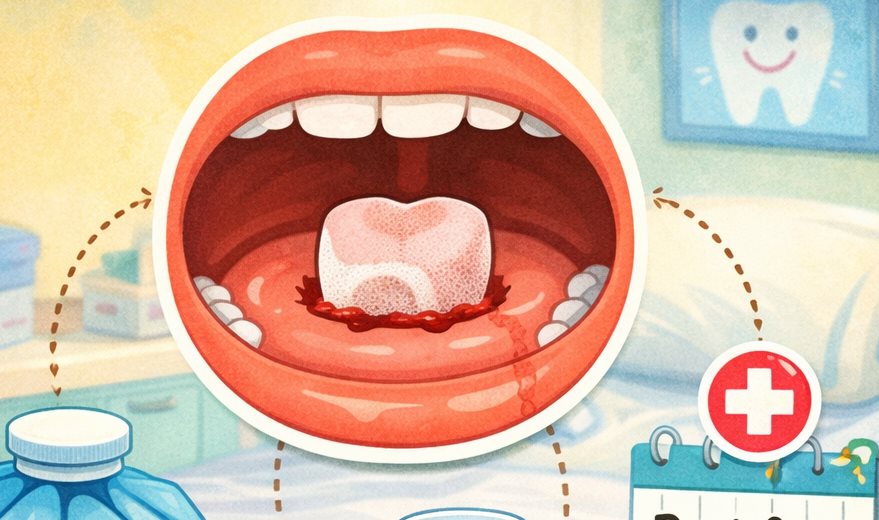
The first day after a tooth extraction is the most important stage of healing. During this time, the body begins repairing the gum tissue and forming the foundation for recovery.
Blood Clot Formation and Why It Matters
After the tooth is removed, a blood clot forms inside the socket. This clot protects the bone and nerve endings while new tissue develops.
If the clot becomes dislodged, healing may slow down and discomfort can increase. Parents should help children avoid activities that disturb the clot, especially during the first day.
What Parents Should Expect Immediately After Treatment
Most children recover quickly following pediatric tooth extraction. However, some temporary symptoms are normal.
Parents may notice:
- Small amounts of bleeding or pink saliva
- Mild swelling around the gums or cheek
- Temporary numbness from anesthesia
- Light discomfort once the numbness fades
These symptoms usually improve within the first day.
Immediate Aftercare Steps Parents Should Follow
Parents play an important role in helping their child recover comfortably. Simple steps during the first few hours can protect the healing area.
Recommended care includes:
- Having the child bite gently on gauze to control bleeding
- Keeping the head slightly elevated while resting
- Avoiding spitting or forceful rinsing
- Monitoring children to prevent touching the extraction site
Following instructions from a Las Vegas pediatric dentist helps ensure proper healing begins right away.
Mild discomfort is common during the first few days after pediatric dental care procedures like extractions. However, most children experience only manageable soreness.
Typical Pain Timeline After Extraction
Pain usually follows a predictable pattern during recovery.
- Mild soreness during the first day
- Gradual improvement over the next three to five days
- Full comfort returning within seven to ten days
Each child heals at a slightly different pace, but most recover quickly.
Safe Pain Relief Options for Children
Parents can help reduce discomfort using safe and simple methods recommended by their Las Vegas kids dentist.
Helpful strategies include:
- Pediatric pain relievers approved by the dentist
- Applying a cold compress to the cheek
- Encouraging rest and hydration
Cold compresses are especially useful during the first 24 hours because they help reduce swelling.
When Pain Is Not Normal
While mild soreness is expected, certain symptoms may require evaluation by a children’s dentist.
Parents should contact a dental professional if their child experiences:
- Severe pain that worsens after two days
- Pain that interferes with sleep or eating
- Swelling accompanied by fever
Prompt evaluation protects your child’s oral health and prevents complications.
Diet plays a key role in recovery after pediatric tooth extraction. Soft foods protect the healing area while still providing nutrition.
Soft Foods That Support Recovery
Children should eat foods that are easy to chew and gentle on the gums.
Examples include:
- Yogurt
- Applesauce
- Mashed potatoes
- Scrambled eggs
- Smoothies eaten with a spoon
These foods reduce pressure on the extraction site.
Foods to Avoid After Extraction
Certain foods may irritate the gums or disrupt healing.
Children should avoid:
- Crunchy snacks such as chips or popcorn
- Sticky candies or chewing gum
- Spicy foods that irritate gum tissue
- Extremely hot beverages
These foods can disturb the healing tooth socket.
Why Drinking Through a Straw Should Be Avoided
Using a straw creates suction inside the mouth. This suction can dislodge the protective blood clot, slowing recovery and increasing discomfort.
For this reason, dentists recommend avoiding straws for several days after pediatric dental care procedures.
Maintaining good oral hygiene helps prevent infection while the extraction site heals.
When Children Can Brush Their Teeth Again
Children can usually resume brushing the same day. However, they should avoid the extraction area until the gums begin to heal.
A children’s dentist may recommend:
- Using a soft-bristled toothbrush
- Brushing gently around the surgical area
- Maintaining regular oral hygiene routines
Good hygiene supports faster healing.
Keeping the Mouth Clean Without Disturbing Healing
After the first day, some dentists recommend gentle rinsing to keep the mouth clean.
Parents should encourage:
- Gentle rinsing with water if recommended
- Avoiding aggressive swishing
- Continued pediatric dental care routines
These steps help protect the healing gums.
Helping Younger Children Maintain Hygiene
Young children may struggle with brushing after dental treatment. Parents can assist by supervising oral care and guiding gentle brushing.
Using a small toothbrush and simple instructions helps children maintain healthy oral hygiene habits.
Most extractions heal without complications. Still, parents should understand the difference between normal recovery and warning signs.
Signs That Healing Is Progressing Normally
Normal healing usually includes:
- Gradually reduced swelling
- Less tenderness each day
- Healthy gum tissue forming inside the socket
These signs indicate that the body is repairing the area properly.
Symptoms That Require a Pediatric Dentist Visit
Parents should seek professional care if they notice:
- Bleeding that continues for several hours
- Fever or facial swelling
- Persistent bad taste or odor
- Increasing pain after initial improvement
A Las Vegas pediatric dentist can evaluate the area and determine if additional treatment is needed.
Helping Children Feel Comfortable During Recovery
Children may feel nervous or uncomfortable after dental treatment. Emotional support helps them recover calmly.
Reducing Anxiety After Dental Treatment
Parents can reassure children by explaining that healing is temporary and part of getting better.
Helpful approaches include:
- Offering reassurance and encouragement
- Allowing quiet activities such as reading or drawing
- Providing soft foods and comfort
A supportive environment helps children relax while the gums heal.
Activities Children Should Avoid Temporarily
Certain activities can slow recovery after pediatric tooth extraction.
Children should avoid:
- Running or rough play
- Contact sports
- Touching the extraction site with fingers or tongue
Limiting these activities helps protect the healing gum tissue.
Follow-up visits help ensure the extraction site heals properly and that future dental development stays on track.
Monitoring Healing Progress
During a follow-up appointment, a Las Vegas kids dentist may:
- Examine gum tissue healing
- Check for infection or delayed recovery
- Confirm healthy development of surrounding teeth
This step ensures the success of the pediatric dental care treatment.
Preventing Future Dental Problems
Routine visits with a children’s dentist allow dentists to monitor oral development and prevent common dental issues.
Preventive care may include:
- Regular exams and cleanings
- Early cavity prevention
- Monitoring permanent tooth eruption
Dr. Sandra Thompson emphasizes preventive pediatric dental care to help children maintain healthy smiles as they grow.
Most children heal within 7 to 10 days after a pediatric tooth extraction. The first two days are the most important for protecting the blood clot and minimizing swelling.
Many children can return to school the next day if they feel comfortable. However, they should avoid strenuous activities and follow aftercare instructions provided by their Las Vegas pediatric dentist.
Yes. Mild swelling is common during the first 24 to 48 hours after treatment. Cold compresses and rest usually help reduce swelling.
Children can brush their teeth the same day but should avoid the extraction area initially. A children’s dentist will advise when normal brushing can resume fully.
If bleeding continues after applying gentle pressure with gauze, parents should contact a Las Vegas kids dentist for evaluation.