

Author Name: Dr. Sandra Thompson
The Role of Fluoride in Strengthening Enamel
Fluoride is one of the most important ingredients in toothpaste for kids with winter tooth sensitivity. Cold weather can make enamel weakness more noticeable, especially if a child already has areas of early enamel wear. Fluoride helps remineralize the enamel, making it stronger and more resistant to temperature changes.
Desensitizing Ingredients That Block Pain Signals
Some kids’ toothpastes include gentle desensitizing agents designed to calm sensitive nerves. These ingredients work by blocking the tiny pathways in the tooth that allow temperature changes to reach the nerve. Over time, regular use can significantly reduce the sharp, sudden discomfort children feel during brushing.
Importance of Low-Abrasive Formulas
Low-abrasive formulas are gentler on young enamel and help protect sensitive areas. For kids who brush enthusiastically or are still learning proper technique, a low-abrasive toothpaste is especially important to prevent accidental enamel damage.
Why Foaming Level Matters for Sensitive Teeth
Toothpastes with mild or low foaming agents are often better tolerated. They clean effectively without irritating sensitive tissues, helping kids brush longer and more comfortably - even when their teeth are extra sensitive in colder months.
Taste and Texture Considerations for Children
Taste plays a surprisingly big role in whether a child sticks to brushing during winter. Strong mint flavors can intensify sensitivity, especially when combined with cold air. Many kids with sensitive teeth do better with mild, kid-friendly flavors such as gentle mint, fruit, or bubblegum.
Supporting Healthy Smiles through winters
If sensitivity persists despite switching toothpaste, it may be a sign of underlying issues such as enamel erosion, early cavities, or grinding. A pediatric dental checkup can help identify the cause and ensure your child’s teeth stay protected throughout the colder months in Providence.
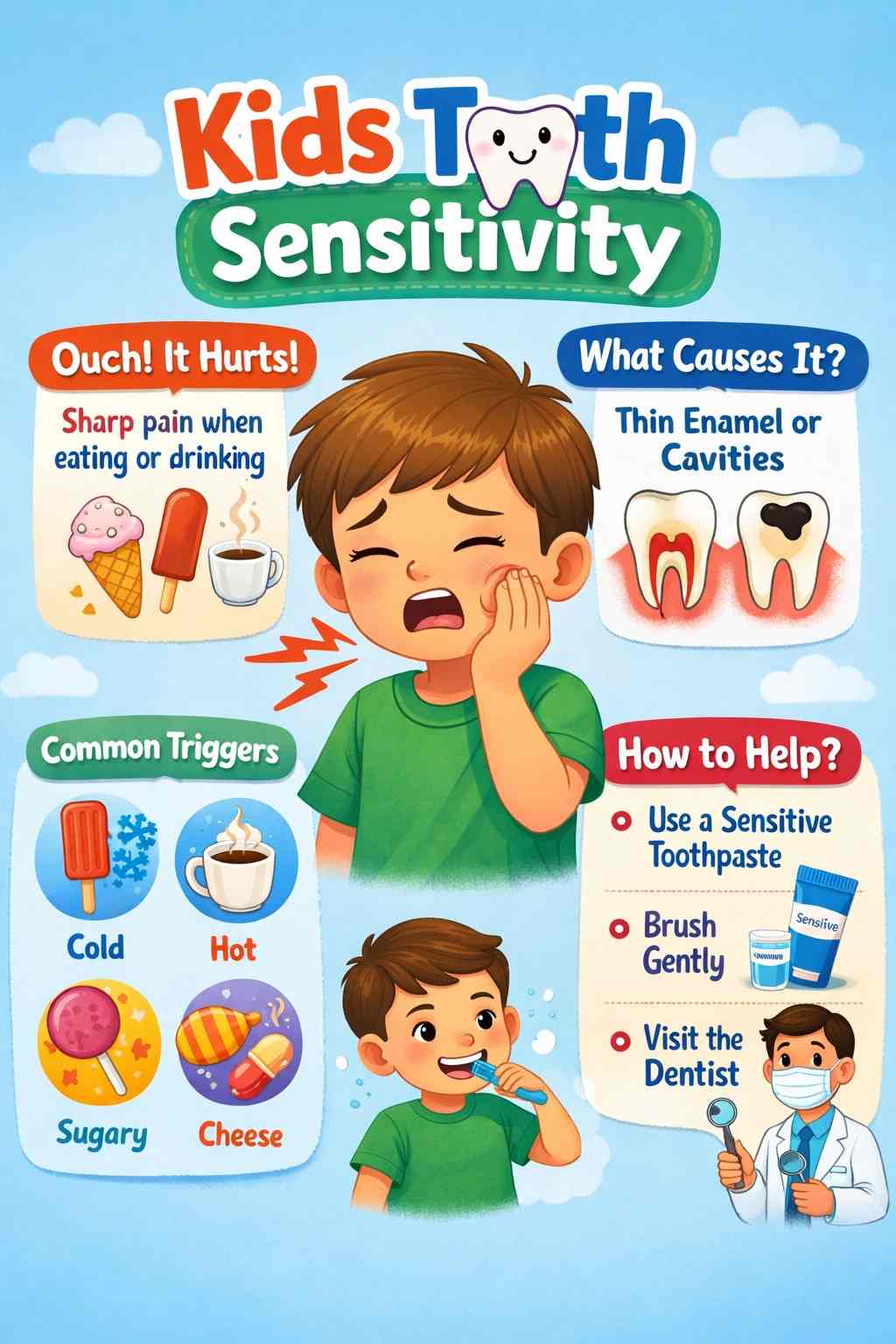
Fluoride Toothpaste for Enamel Protection
Fluoride toothpaste remains the gold standard for protecting kids’ teeth during winter sensitivity. Cold temperatures often reveal underlying enamel weakness, and fluoride helps rebuild and harden enamel over time. For children, this added protection reduces how easily cold air or cold foods trigger discomfort.
Desensitizing Toothpaste Formulated for Children
Some children benefit from toothpaste specifically designed to manage sensitivity. These formulas contain gentle desensitizing ingredients that gradually reduce nerve response to cold stimuli. Unlike adult sensitivity toothpaste, kid-friendly versions use lower concentrations and milder flavors that are safer and more comfortable for young mouths.
Toothpaste for Kids with Early Enamel Erosion
Early enamel erosion is common in children and often becomes more noticeable in winter. Toothpaste designed for weakened enamel focuses on remineralization and protection rather than aggressive cleaning. These formulas are typically low-abrasive and may include added minerals that help reinforce enamel structure.
Options for Children with Braces or Dental Appliances
Low-abrasive, non-whitening formulas are best for these children. They clean effectively without scratching enamel or causing additional discomfort - an important consideration when cold weather already heightens sensitivity.
When to Avoid Whitening or Abrasive Toothpaste
Parents should avoid any toothpaste marketed primarily for whitening, stain removal, or “deep cleaning” when sensitivity is present. Switching to a gentler formula during winter can prevent sensitivity from worsening and help children maintain healthy brushing habits.
Proper Brushing Technique for Sensitive Teeth
Parents should encourage small, circular motions rather than back-and-forth scrubbing. This technique cleans effectively while being kinder to teeth and gums, making brushing more comfortable during colder months.
Recommended Brushing Frequency during Winter
If a child complains of pain during brushing, it’s better to adjust technique or toothpaste rather than reduce frequency. Consistent brushing helps sensitive toothpaste do its job by strengthening enamel and reducing nerve response to cold triggers.
How Much Toothpaste Kids Should Use
For most children, a pea-sized amount is enough to clean teeth effectively. Younger children may need even less, depending on age and dentist recommendations. The goal is to coat the teeth lightly - not overwhelm the mouth - so the active ingredients can work properly.
Book an appointment without pediatric dentist in Centennial, NV for fast care.