

Author Name: Dr. Sandra Thompson
Tooth extractions are not the first choice in pediatric dental care, but they are sometimes necessary to protect your child’s oral health.
Common reasons include:
- Severe tooth decay that cannot be restored
- Dental infections that may spread
- Overcrowding before orthodontic treatment
- Baby teeth that do not fall out on time
- Trauma or fractures from accidents
Parents should watch for warning signs such as persistent tooth pain, swollen gums, or difficulty chewing. These symptoms often indicate the need to visit a Kids Dentist promptly. Early evaluation helps prevent complications and allows the dentist to plan treatment carefully.
Key Takeaways
- A Pediatric Dentist carefully evaluates whether extraction is necessary
- Preparation includes exams, digital X-rays, and medical history review
- Emotional preparation helps reduce dental anxiety in children
- Local anesthesia and sedation options ensure comfort
- Parents play an important role in preparing their child
- Proper aftercare planning supports faster healing and fewer risks
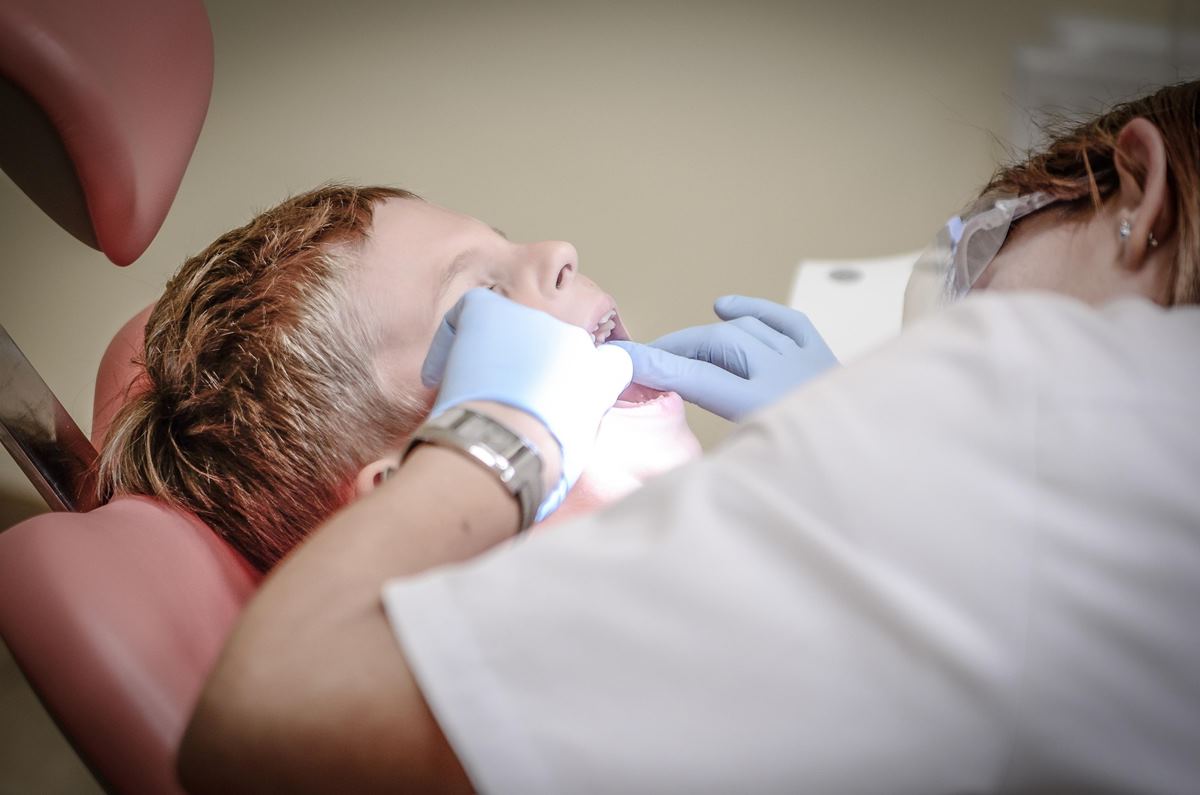
Preparation starts with a thorough dental visit. During this appointment, a Pediatric Dentist performs a complete oral examination.
This includes:
- Reviewing your child’s medical history and current health
- Examining the affected tooth and surrounding gums
- Taking digital X-rays to assess root structure and positioning
These steps help determine whether extraction is the best option. In many cases, dentists explore alternatives such as fillings or crowns first.
Parents are also guided through:
- The reason for extraction
- Expected outcomes
- Any potential risks
Clear communication ensures parents understand each step before moving forward.
Children often fear the unknown. Emotional preparation is a key part of pediatric dentistry.
Dentists use proven techniques such as:
- Tell-Show-Do: explaining and demonstrating before treatment
- Positive reinforcement to build confidence
- Simple, non-threatening language
At Desert Kids Dental, Dr. Sandra Thompson creates a calm, welcoming space that helps children feel safe.
Parents can also help by:
- Speaking positively about the visit
- Avoiding words like “pain” or “hurt”
- Reassuring the child that the dentist is there to help
When children feel prepared, they are more cooperative and relaxed during the procedure.
Safety is always the top priority. Before any tooth extraction, the dentist carefully reviews your child’s health.
This includes checking for:
- Allergies to medications or anesthesia
- Existing medical conditions
- Current medications
In some cases, adjustments may be needed before the procedure.
Parents may receive instructions such as:
- When the child should eat before the visit
- Whether to pause certain medications
- How to ensure the child arrives well-rested
Strict sterilization and infection control protocols are followed to maintain a safe environment.
One of the biggest concerns for parents is whether the procedure will hurt. A Pediatric Dentist uses advanced methods to ensure your child remains comfortable.
Local Anesthesia
- Numbs the area around the tooth
- Prevents pain during the extraction
- Children may feel pressure but not pain
- Nitrous oxide (laughing gas) for mild relaxation
- Oral sedation for children with higher anxiety
These options are carefully selected based on:
- The child’s age
- Level of dental anxiety
- Complexity of the procedure
Safety protocols are always followed, and the child is monitored throughout.
On the day of the extraction, preparation continues at the clinic.
Here is what typically happens:
1. Check-in and Comfort Setup - The child is welcomed into a calm, friendly environment.
2. Review of the Treatment Plan - The dentist confirms details with the parent.
3. Child-Friendly Explanation - Tools and steps are explained in simple terms.
4. Numbing Gel Application - A topical gel is used before the anesthetic to reduce discomfort.
5. Administration of Anesthesia - The area is fully numbed before starting.
6. Final Safety Check - The dentist ensures the child is relaxed and ready.
These steps help create a smooth and stress-free experience.
Parents play a major role in how children respond to dental procedures.
Helpful steps include:
- Staying calm and confident
- Bringing a favorite toy or comfort item
- Following all pre-appointment instructions
At home, preparation may involve:
- Ensuring proper rest the night before
- Providing a light meal if allowed
- Explaining what will happen in a reassuring way
Children often mirror their parents’ emotions. A calm parent helps create a calm child.
Preparation does not end before the procedure. A Pediatric Dentist also plans for recovery.
Parents receive clear aftercare instructions, including:
Managing Bleeding
- Use gauze as directed
- Avoid excessive rinsing
Pain Control
- Use recommended medications
- Apply cold compresses if needed
Diet Guidelines
- Soft foods such as yogurt, mashed potatoes, and smoothies
- Avoid hard or crunchy foods
Monitoring for Complications
Watch for:
- Excessive swelling
- Fever
- Persistent bleeding
If any of these occur, contact a Kids Dentist immediately.
Preventive care is the best way to avoid future extractions.
Key strategies include:
- Regular visits to a Pediatric Dentist
- Professional fluoride treatments
- Application of dental sealants
Daily habits also matter:
- Brushing twice a day with fluoride toothpaste
- Flossing regularly
- Limiting sugary snacks and drinks
Early intervention can stop small issues from becoming serious problems.
At Desert Kids Dental, families receive personalized guidance to protect their child’s long-term oral health.
Not all dentists are trained to handle children’s unique needs. A Pediatric Dentist has specialized training in:
- Child behavior management
- Growth and development of teeth
- Safe sedation techniques
This expertise ensures:
- Better communication with children
- Reduced fear and anxiety
- Safer and more efficient procedures
Parents in Las Vegas trust Dr. Sandra Thompson for compassionate and skilled care tailored to children.
Is tooth extraction painful for children?
No. A Pediatric Dentist uses local anesthesia and sedation options to ensure the child does not feel pain during the procedure.
How long does it take for a child to recover?
Most children recover within a few days. Full healing of the extraction site may take one to two weeks.
Can my child go to school after an extraction?
Many children can return to school the next day, depending on how they feel and the complexity of the procedure.
What should my child eat after a tooth extraction?
Soft foods like yogurt, applesauce, and mashed potatoes are recommended. Avoid hard, sticky, or hot foods.
Are there risks involved in pediatric tooth extractions?
Risks are minimal when performed by a qualified Pediatric Dentist. Proper care and follow-up reduce the chance of complications.