

Author Name: Dr. Sandra Thompson
Tooth decay develops when bacteria in the mouth feed on sugars and carbohydrates left on the teeth. These bacteria produce acids that weaken tooth enamel, eventually leading to cavities. While sugary foods are a major contributor, starches like crackers, chips, and bread can also break down into sugars and fuel this process. The more often children eat or drink, the more frequently their teeth are exposed to acid attacks. Constant snacking or sipping on juice, milk, or sweetened drinks doesn’t give enamel enough time to recover between meals. Baby teeth and newly erupted permanent teeth are especially vulnerable because their enamel is thinner and less mineralized than adult teeth.
Many cavity-causing habits aren’t about eating too much candy they’re about everyday choices that expose teeth to sugar and acids for long periods. Constantly sipping juice, sports drinks, or sweetened milk keeps sugars on the teeth and fuels bacteria throughout the day. Sticky snacks like fruit snacks, dried fruit, granola bars, and gummies cling to teeth and are difficult to wash away with saliva. Frequent grazing between meals creates repeated acid attacks, preventing enamel from repairing itself. Another common mistake is assuming “organic,” “natural,” or fruit-based sugars are safer for teeth. From a dental perspective, sugar is sugar bacteria don’t tell the difference.
Water is the best drink for children’s teeth it rinses away food particles, keeps the mouth hydrated, and doesn’t feed cavity-causing bacteria. Fluoridated water also helps strengthen enamel. Milk is another tooth-friendly option, as it contains calcium, phosphorus, and vitamin D that support strong teeth and bones. Juice, even 100% fruit juice, should be limited because it contains natural sugars and acids that can erode enamel, especially when sipped slowly. Sports drinks and flavored waters are particularly harmful due to their high sugar and acid content. To reduce sugary drink habits, offer water between meals, serve juice only with meals, dilute juice with water, and avoid keeping sweet drinks readily available throughout the day.
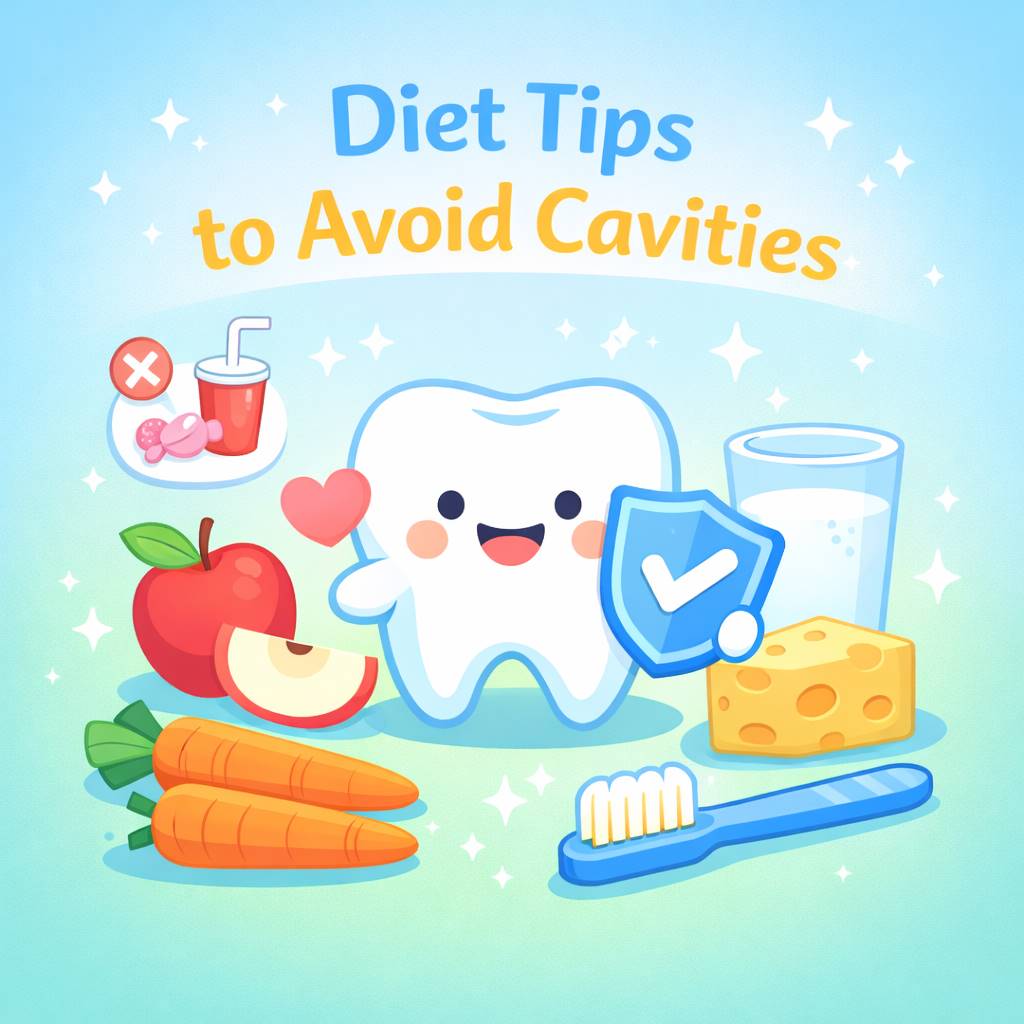
Choosing the right snacks can make a big difference in protecting children’s teeth between meals. Crunchy fruits and vegetables like apples, carrots, and celery are excellent options. Their firm texture helps scrub the teeth naturally while chewing, and they stimulate saliva flow, which neutralizes acids and washes away food particles.
Dairy foods such as cheese, yogurt, and milk are also highly recommended. They are rich in calcium and phosphorus, which support strong enamel and healthy tooth development. Cheese, in particular, can help neutralize acids in the mouth after eating.
Protein-rich snacks like eggs, lean meats, and age-appropriate nuts contain little to no fermentable sugar, meaning they don’t feed cavity-causing bacteria the way sweet snacks do. These foods also help children feel fuller longer, reducing the urge to snack frequently.
Whole grains, such as whole-grain crackers or bread, are better choices than refined grains. They provide balanced nutrition and tend to break down more slowly, helping limit sudden sugar exposure to teeth.
Certain foods are especially harmful to children’s teeth because of how long they stay on the tooth surface. Sticky candies and gummies cling tightly to enamel and are difficult for saliva to wash away, giving bacteria more time to produce acids. Crackers and refined carbohydrates may not taste sweet, but they break down into sugars and often lodge between teeth, especially in the grooves of molars. Dried fruits like raisins and fruit leather are frequently viewed as healthy, yet their concentrated sugars and sticky texture make them a common cavity trigger. Sweetened cereals and granola bars combine sugars with a chewy or crunchy texture that can stick to teeth long after eating. Texture matters just as much as sugar content because foods that linger on teeth prolong acid exposure, increasing the risk of enamel damage and cavity formation.
Every time a child eats or drinks something other than water, acids form in the mouth and begin attacking tooth enamel. Frequent snacking or grazing throughout the day means teeth are exposed to repeated acid attacks with little time to recover. Structured meals and planned snack times allow saliva to neutralize acids and help enamel repair itself between eating periods. This recovery time is essential for preventing cavities. To manage snacks at school and during activities, pack tooth-friendly options, avoid sugary drinks in lunchboxes, and encourage water between meals.
Sugar doesn’t have to be completely eliminated, but it should be managed wisely. Choose treats intentionally rather than offering them frequently throughout the day. Pairing sweets with meals is better for teeth than eating them alone, since increased saliva during meals helps reduce acid damage. Encourage children to rinse with water after having sugary foods to wash away residue and neutralize acids. It’s especially important to avoid sweets before bedtime, when saliva flow decreases and teeth are more vulnerable. Simple habits like these allow kids to enjoy treats occasionally while minimizing their impact on dental health.
Fluoride plays an important role in strengthening tooth enamel and helping it resist acid attacks from cavity-causing bacteria. It can even help repair early areas of enamel damage. However, fluoride is not a cure-all and cannot cancel out the effects of a poor diet or constant sugar exposure. When children regularly consume sugary or acidic foods, enamel is under repeated stress despite fluoride protection. The best results come from combining good nutrition with preventive care using fluoride toothpaste, drinking fluoridated water, and maintaining healthy eating habits. Together, fluoride and a balanced diet create a stronger defense against cavities and support long-term oral health.
Young children are especially vulnerable to cavities because their daily habits form early and can persist for years. Prolonged use of bottles or sippy cups filled with milk, juice, or sweetened drinks exposes teeth to sugars for extended periods, increasing decay risk. Bedtime feedings are particularly harmful, as saliva flow decreases during sleep and sugars remain on teeth overnight. Transitioning toddlers to open cups and offering only water between meals helps protect developing teeth. Gradually reducing sugary drinks and avoiding them at bedtime supports healthier routines. Establishing balanced meals, structured snack times, and proper oral hygiene early sets the foundation for strong teeth and reduces the likelihood of cavities as children grow.
Helping children develop tooth-friendly eating habits works best when they feel involved and supported. Let kids help choose fruits, vegetables, and snacks at the grocery store to increase interest and ownership. Make healthy options appealing by offering variety, fun shapes, or colorful combinations rather than focusing on restrictions. Avoid turning food into a power struggle, as pressure can lead to resistance or negative associations. Most importantly, model good dietary habits at home children are more likely to follow what they see. When healthy eating feels normal and positive, it becomes easier for kids to make choices that protect their teeth and overall health.
Not always. While sugar-free snacks don’t feed cavity-causing bacteria the same way sugar does, some contain acids or sticky ingredients that can still harm enamel. Chewing gum sweetened with xylitol is an exception and may help reduce cavity risk.
Whole fruits are generally healthy for teeth and overall nutrition. They contain natural sugars, but also fiber and water that reduce how long sugars stay on teeth. Sticky or dried fruits should be eaten in moderation.
Diet plays a major role, but it’s only part of the picture. Brushing with fluoride toothpaste, regular dental visits, and good oral hygiene are also essential.
Juice should be limited and served only with meals. Water is the best everyday choice.