

Author Name: Dr. Sandra Thompson
Key Takeaways
- A child dental emergency can cause fear and anxiety for children and parents.
- Staying calm helps children feel safer during urgent pediatric dental care.
- Clear explanations reduce panic during emergency dental treatment.
- Pediatric dentists use child-friendly techniques to manage fear.
- Early treatment by a Las Vegas Pediatric Dentist helps prevent complications.
- Parents should recognize symptoms that require urgent dental care for kids.
- Preventive care plays an important role in protecting long-term child dental health.
Children often feel frightened during dental emergencies because the situation is sudden and painful. When a child experiences a child dental emergency, they may not fully understand what is happening.
Pain is usually the main trigger for fear. Severe toothaches, broken teeth, or injuries to the mouth can cause discomfort that children cannot easily describe. This uncertainty increases anxiety.
The dental environment may also feel unfamiliar. Bright lights, dental instruments, and new faces can make children feel overwhelmed. During emergency visits, the pace of treatment may feel faster than routine appointments, which can add to their fear.
Children also pick up on their parents’ emotions. If a parent appears stressed or alarmed, the child may feel even more anxious. Remaining calm and speaking reassuringly can help children feel safe during urgent pediatric dental care.
Many parents are unsure which situations require immediate dental care. Certain dental injuries can cause pain and fear, especially when they occur suddenly.
Some of the most common child dental emergencies include:
Knocked-out tooth
Falls or sports injuries may cause a tooth to become dislodged. This situation can be frightening because of bleeding and sudden pain.
Broken or chipped tooth
Hard impacts or biting into solid foods may crack a tooth. Children often worry about the appearance of their smile or the discomfort.
Severe toothache
Persistent pain may indicate infection or deep decay. Toothaches can quickly become intense if treatment is delayed.
Dental abscess or infection
Swelling of the gums or face may signal infection. This condition requires prompt treatment to protect child dental health.
Soft tissue injuries
Cuts to the lips, gums, or cheeks may bleed and cause panic for both the child and parent.
When these symptoms appear, parents should seek care from a Las Vegas Kids Dentist who specializes in treating children.
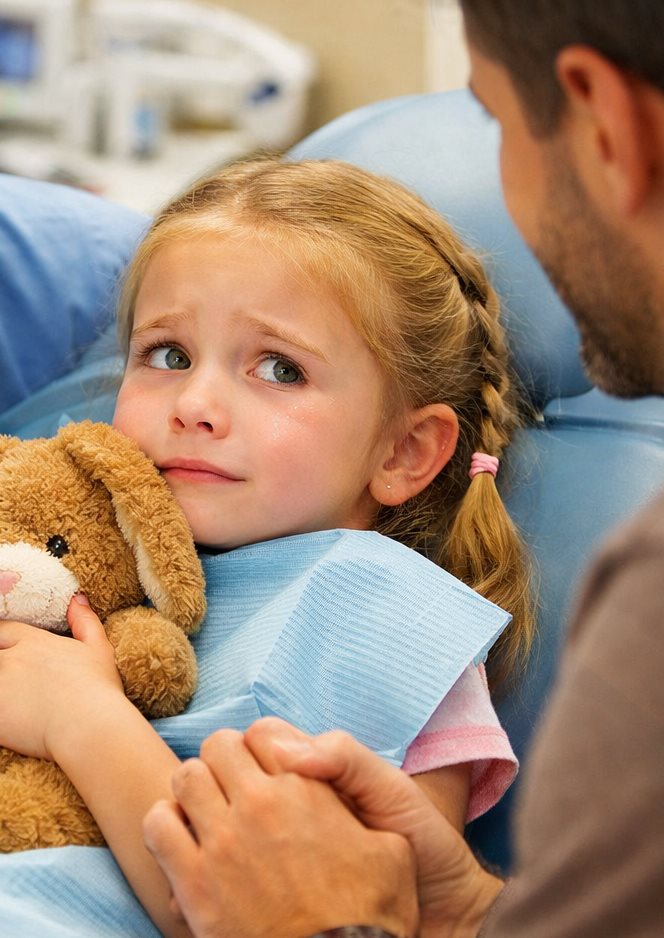
The first few minutes after a dental injury are important. How parents respond can help reduce fear and stabilize the situation.
Stay calm and reassuring
Children observe adult reactions closely. A calm voice and gentle tone help them feel secure.
Assess the injury safely
Look for bleeding, swelling, or broken teeth. Avoid touching injured areas too aggressively.
Control bleeding if present
Apply gentle pressure with clean gauze if there is bleeding in the mouth.
Avoid alarming language
Words like “serious injury” or “damage” can increase anxiety. Instead, use simple explanations.
Explain what will happen next
Let your child know you are visiting a dentist for children who helps kids feel better.
Seek professional dental care quickly
Prompt treatment by a Las Vegas Pediatric Dentist helps relieve pain and prevent complications.
Children often feel better when parents provide emotional support. Several simple techniques can reduce anxiety before arriving at the dental clinic.
Use calm breathing exercises
Encourage your child to take slow breaths. Deep breathing can help regulate emotions and reduce panic.
Provide gentle reassurance
Tell your child the dentist is there to help their tooth feel better. Avoid making unrealistic promises about pain.
Use simple explanations
Children respond better when they understand what will happen. Explain that the dentist will “look at the tooth and help fix it.”
Bring comfort items
A favorite toy, blanket, or stuffed animal can help children feel safe during the visit.
Use distraction techniques
Talking about a favorite activity or story during the drive to the clinic can reduce stress.
These strategies support a smoother experience when receiving pediatric dental care.
A Las Vegas Pediatric Dentist is specially trained to treat young patients. Pediatric dental clinics are designed to reduce fear and create a welcoming environment.
One effective method used in pediatric dental care is the Tell-Show-Do technique. The dentist explains the procedure in simple language, demonstrates the tool or step, and then performs the treatment. This approach helps children understand what is happening.
Dentists also use child-friendly communication. Instead of technical terms, they describe procedures using words children understand.
Comfort measures may include:
- Gentle numbing techniques
- Calm explanations during treatment
- Short treatment steps to reduce stress
- Positive reinforcement and encouragement
Dr. Sandra Thompson, a respected Las Vegas Pediatric Dentist, focuses on compassionate care that helps children feel safe during emergency treatment.
Preparation can make future dental emergencies less stressful. When children understand what dentists do, they are less likely to panic during urgent visits.
Parents can help by introducing dental care early. Reading books about dental visits or discussing routine checkups can make the dental environment feel familiar.
Teaching children basic oral health habits also builds confidence. Children who practice good hygiene feel more comfortable discussing dental issues.
Helpful preparation strategies include:
- Explaining how dentists help keep teeth healthy
- Practicing calm breathing during routine care
- Encouraging children to ask questions about dental visits
These habits support long-term child dental health and reduce anxiety during unexpected dental problems.
Prevention is one of the most effective ways to protect children’s teeth. Good oral hygiene and safety habits reduce the risk of injuries and infections.
Daily dental care for kids should include:
Brushing twice daily
Children should brush with fluoride toothpaste to remove plaque and food particles.
Daily flossing
Flossing removes debris between teeth where brushing cannot reach.
Healthy nutrition
Limiting sugary snacks helps prevent cavities that may lead to dental emergencies.
Sports safety
Children who play sports should wear protective mouthguards to reduce injury risk.
Regular dental visits also play a major role in prevention. Routine exams allow dentists to identify problems early and support healthy pediatric dental care.
Certain symptoms require urgent dental attention. Ignoring these signs can allow infections or injuries to worsen.
Parents should contact a Las Vegas Kids Dentist if a child experiences:
- Severe or persistent tooth pain
- Swelling in the gums or face
- Bleeding that does not stop
- Loose permanent teeth after trauma
- Signs of infection such as fever or swelling
Immediate treatment protects both the injured tooth and the child’s overall health.
Prompt care from a qualified dentist for children can relieve pain and prevent long-term complications.
Children often become anxious because they experience pain and uncertainty. Sudden injuries or severe toothaches can make them feel scared, especially if they do not understand the situation.
Parents should stay calm, speak reassuringly, and explain what will happen next. Gentle reassurance and simple language help children feel safer during a child dental emergency.
Use simple words to explain that the dentist will check their tooth and help it feel better. Avoid alarming language that may increase fear.
Yes. Pediatric dentists use communication strategies such as the Tell-Show-Do method and child-friendly language to reduce anxiety during pediatric dental care.
You should seek immediate care if your child has severe pain, swelling, a knocked-out tooth, or a dental injury caused by trauma.
Regular dental visits, daily oral hygiene, protective mouthguards during sports, and balanced nutrition help prevent many dental injuries and infections.