

Author Name: Dr. Sandra Thompson
Why Swallowing Risk Matters for Younger Children
Younger children are more likely to swallow liquids placed in their mouths, even when instructed not to. Most mouthwashes, particularly those containing fluoride, are not meant to be swallowed. Repeated ingestion can lead to stomach discomfort or excessive fluoride intake, which may affect developing teeth. This risk is why mouthwash is generally discouraged for very young children.
Typical Age Guidelines for Introducing Mouthwash
Most dental professionals recommend waiting until around age six before introducing mouthwash. By this age, many children have developed better muscle control and understanding of instructions. However, age alone is not enough some six-year-olds are ready, while others may need more time before mouthwash becomes appropriate.
Importance of Being Able to Spit Reliably
The single most important factor in mouthwash safety is a child’s ability to spit consistently. If a child cannot rinse and spit on command every time, mouthwash should be avoided. Parents can test this ability using plain water before considering any oral rinse.
Differences between Preschool, School-Age, and Teen Use
Preschool-aged children (under 6) generally should not use mouthwash at all due to a high swallowing risk. At this stage, brushing with a small amount of fluoride toothpaste and flossing with help is usually sufficient.
School-age children (6–12 years) may begin using mouthwash if they can spit reliably and if a dentist recommends it, such as for cavity prevention. In Las Vegas, where dry desert air can contribute to dry mouth, some children may benefit from fluoride rinses - but only under supervision.
Teenagers typically have the coordination and judgment needed to use mouthwash safely on their own. Mouthwash can be helpful for teens with braces, sports-related oral hygiene challenges, or concerns about breath, but alcohol-free options are still preferred.
Risk of Swallowing Too Much Fluoride
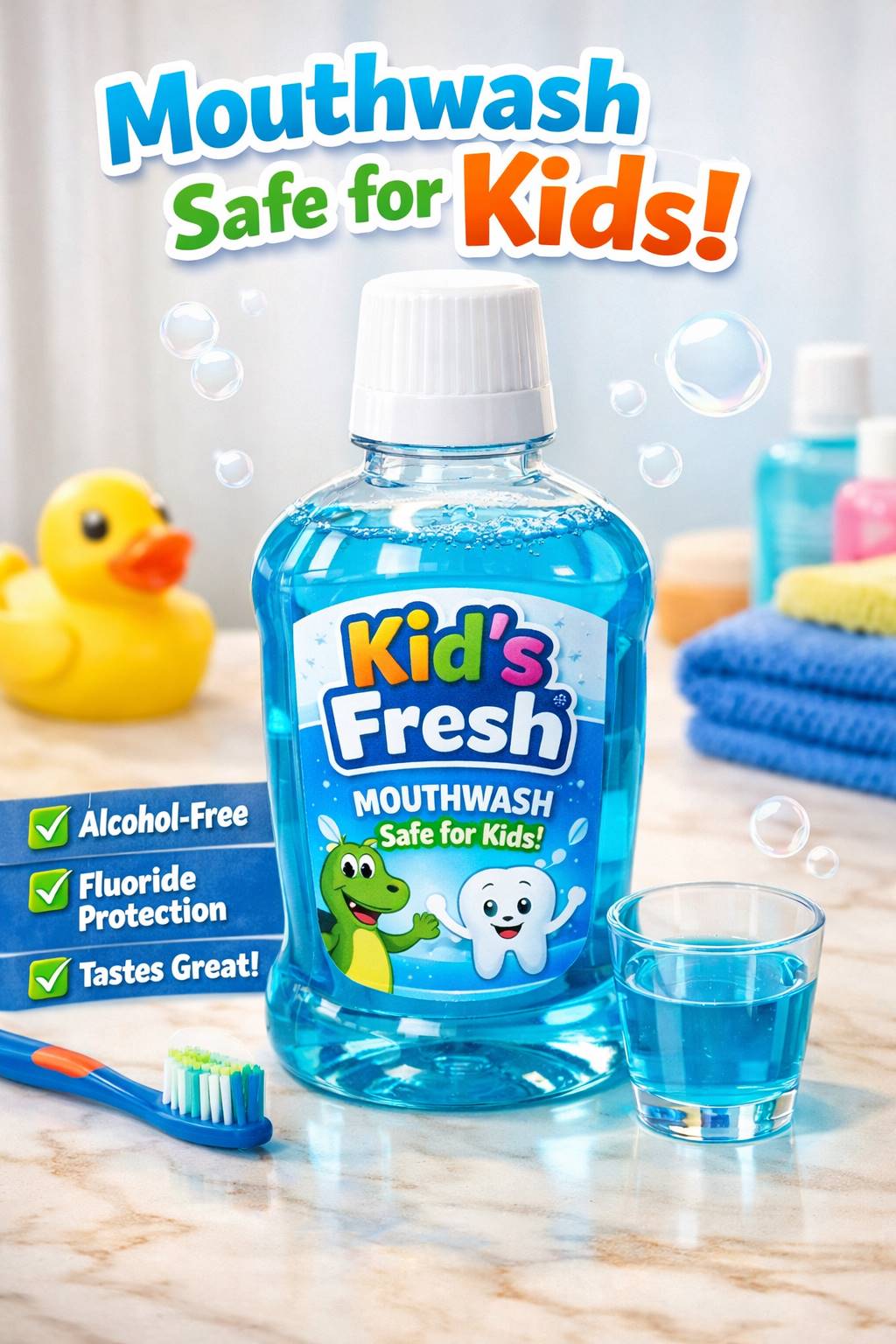
The most significant concern with mouthwash for children is accidental swallowing. Fluoride mouthwashes are designed to be spit out, not ingested. Younger children may swallow more than intended, which can cause stomach upset in the short term and contribute to excessive fluoride intake over time. This is why mouthwash is generally discouraged for children who cannot rinse and spit consistently.
Mouth Irritation or Sensitivity
Some children experience irritation of the gums, lips, or inside of the cheeks when using mouthwash. This can be due to strong flavors, alcohol content, or sensitivity to certain ingredients. Even alcohol-free formulas may cause mild burning or discomfort for sensitive mouths, leading to reluctance or anxiety around oral care routines.
False Sense of “Clean” Leading to Skipped Brushing
One common downside of mouthwash is the false impression that it can replace brushing. Children may feel their mouth is “clean” after rinsing and become less motivated to brush and floss properly. Mouthwash does not remove plaque the way brushing and flossing do, and relying on it alone can increase the risk of cavities and gum problems.
Overuse Concerns
Using mouthwash too frequently or in larger amounts than recommended can disrupt the natural balance of bacteria in the mouth. Overuse may also increase exposure to fluoride or other active ingredients beyond what is necessary for a child’s age and oral health needs. Mouthwash should always be used according to age-appropriate guidelines and dental advice.
Why Mouthwash Should Never Replace Brushing and Flossing
Brushing and flossing are the foundation of good oral health for children. Mouthwash is only a supplementary tool and cannot mechanically remove plaque or food debris. Skipping brushing or flossing in favor of mouthwash undermines long-term oral health and can lead to preventable dental problems.
Alcohol-Free Formulas
Alcohol should always be avoided in mouthwash for children. Alcohol-based rinses can cause burning sensations, dryness, and irritation of the gums and soft tissues. In a dry desert climate like Las Vegas, alcohol can further contribute to mouth dryness, which may increase cavity risk. Alcohol-free mouthwashes are safer, gentler, and better tolerated by kids of all ages.
Age-Appropriate Fluoride Content
Fluoride can be beneficial, but only in the right amount. Children’s mouthwashes typically contain lower fluoride concentrations than adult formulas. Using a rinse with too much fluoride increases the risk of accidental overexposure, especially if some liquid is swallowed. Parents should always choose products specifically labeled for children and follow age and dosage recommendations carefully.
ADA-Accepted Products
Looking for the seal from the American Dental Association (ADA) can help parents identify mouthwashes that meet established safety and effectiveness standards. ADA-accepted products have been evaluated for both benefit and safety when used as directed, offering added reassurance for families deciding which options to trust.
Avoiding Harsh Ingredients
Some mouthwashes contain strong flavors, dyes, or ingredients that can irritate sensitive mouths. Children may be more reactive to intense mint flavors, artificial coloring, or unnecessary additives. Choosing a mild-flavored mouthwash designed specifically for kids can reduce irritation and make the experience more comfortable and less intimidating.
Reading Labels the Right Way
Product labels provide important information, but they can be confusing. Parents should look beyond marketing terms like “natural” or “gentle” and focus on practical details such as age recommendations, fluoride content, and usage instructions. Labels will also indicate whether supervision is required and how often the product should be used.