

Author Name: Dr. Sandra Thompson
Falls and Playground Accidents
Playgrounds, scooters, bikes, and backyard activities are a leading cause of dental trauma in children. A fall onto concrete, turf, or playground equipment can easily crack or fracture a tooth - especially the front teeth.
When it’s more serious:
- Visible cracks or broken pieces
- Bleeding around the gums
- Pain when biting or touching the tooth
Sports Injuries and Contact Activities
Youth sports such as soccer, basketball, hockey, baseball, martial arts, and gymnastics are frequent sources of cracked teeth. Even non-contact sports can lead to accidental collisions.
Biting Hard Foods or Objects
Children often crack teeth while chewing items that seem harmless but are actually very hard.
Common culprits include:
- Ice cubes
- Popcorn kernels
- Hard candy or jawbreakers
- Chewing on pencils, toys, or fingernails
Teeth Weakened by Cavities or Enamel Erosion
Teeth affected by cavities, enamel erosion, or developmental enamel defects are structurally weaker. Even normal chewing can cause these teeth to crack.
Nighttime Grinding (Bruxism) in Children
Many children grind or clench their teeth during sleep, often without parents noticing. Over time, this constant pressure can cause small cracks that eventually turn into larger fractures.
Warning signs of bruxism include:
- Flattened or worn tooth surfaces
- Jaw soreness in the morning
- Headaches or facial discomfort
- Cracks appearing without a known injury
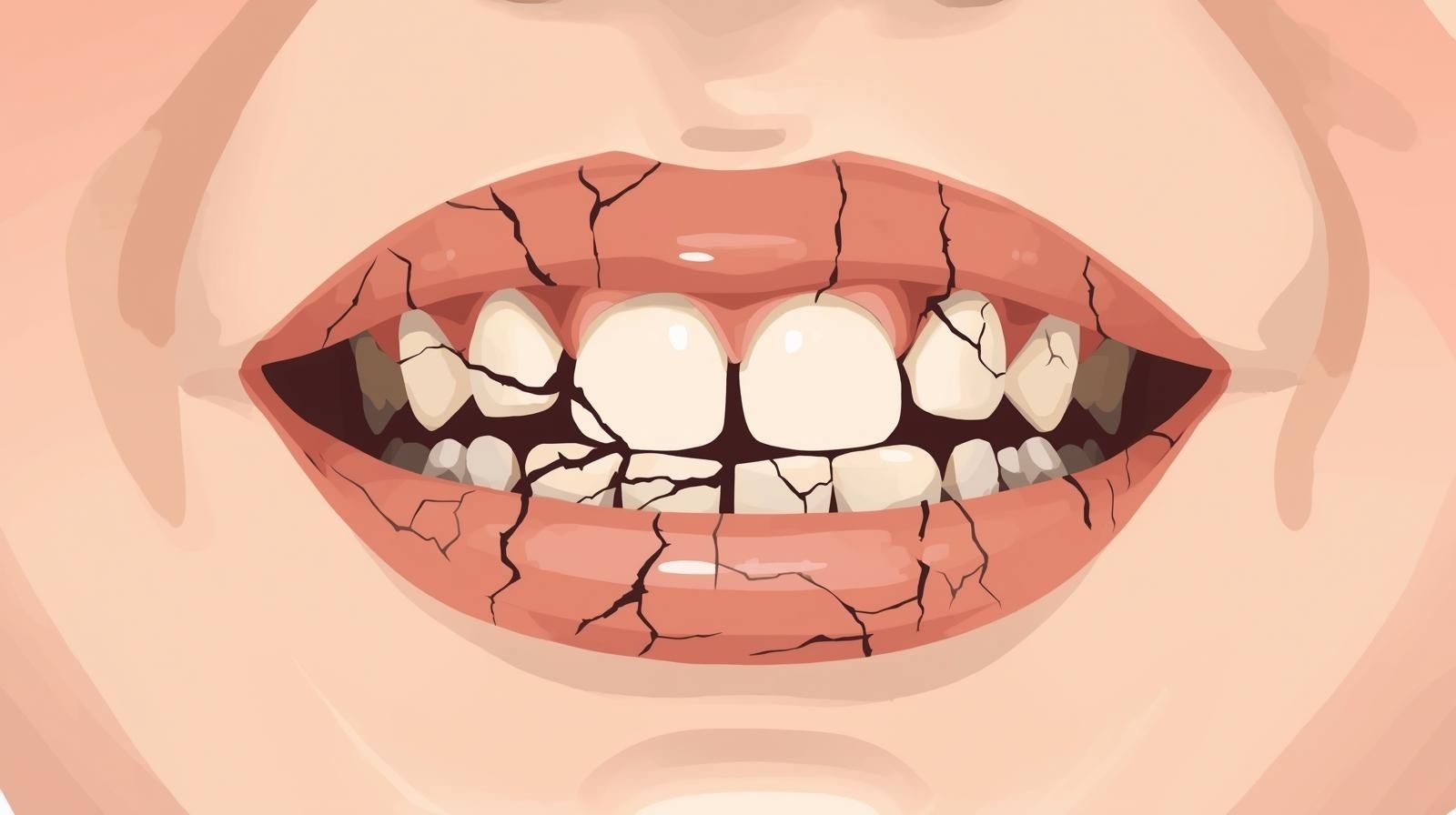
Below are the most common types of tooth cracks and fractures seen in kids, explained in clear, parent-friendly terms.
Minor Enamel Cracks
These are very small, surface-level cracks that affect only the enamel (the hard outer layer of the tooth).
Key characteristics:
- Often painless
- Usually visible as fine lines
- No sensitivity to hot or cold
- Tooth structure remains intact
Is it an emergency?
No - but it should still be monitored by a pediatric dentist. In Las Vegas’s dry climate, even minor enamel cracks can worsen over time if enamel becomes dehydrated or weakened.
Chipped Teeth
A chipped tooth occurs when a small piece of enamel breaks off, often from a fall, sports impact, or biting something hard.
Key characteristics:
- Rough or sharp edge
- Usually minimal pain
- Tooth color remains normal
- Common in front teeth
Is it an emergency?
Not always. However, sharp edges can irritate the tongue or lips, and chips should be smoothed or repaired to prevent further damage.
Fractures Involving Dentin
Dentin lies beneath the enamel and is more sensitive. When a fracture reaches this layer, symptoms become more noticeable.
Key characteristics:
- Sensitivity to cold, heat, or sweets
- Visible yellowish layer beneath the enamel
- Pain when chewing
- Higher risk of bacterial exposure
Is it an emergency?
Often yes. Dentin fractures should be treated promptly to protect the tooth and prevent infection - especially in active Las Vegas kids who continue to put pressure on the tooth.
Cracks Reaching the Pulp (Nerve Exposure)
This is one of the most serious dental injuries in children. The pulp contains nerves and blood vessels, and exposure can be extremely painful.
Key characteristics:
- Severe or throbbing pain
- Sensitivity that does not fade
- Possible bleeding from the tooth
- Swelling of gums or face
Is it an emergency?
Absolutely. Immediate pediatric dental care is required to relieve pain, prevent infection, and save the tooth whenever possible.
Root Fractures (Often Invisible Without X-Rays)
Root fractures occur below the gumline and may not be visible to the eye. They often happen after significant trauma, such as sports injuries or falls onto hard surfaces.
Key characteristics:
- Pain when biting or chewing
- Tooth may feel loose
- Delayed symptoms after injury
- Often only detected with dental X-rays
If your child experiences any of the following signs, immediate evaluation by a pediatric dentist is strongly recommended.
Severe Pain or Persistent Tooth Sensitivity
Pain is one of the clearest indicators that a cracked or fractured tooth may be serious.
Red flags include:
- Sharp or throbbing pain that does not subside
- Sensitivity to hot, cold, or sweets that lasts longer than a few seconds
- Pain when biting or chewing
Visible Nerve Exposure or Bleeding
If you can see a pink, red, or dark spot inside the tooth - or if there is bleeding coming directly from the tooth itself - this suggests pulp (nerve) exposure.
Why this is an emergency:
- The nerve is exposed to bacteria
- Pain can escalate quickly
- Risk of infection is high
Swelling of the Gums, Face, or Jaw
Swelling is a serious warning sign that should never be ignored.
Emergency indicators include:
- Swollen gums near the injured tooth
- Facial or jaw swelling
- Warmth or tenderness in the affected area
Tooth Mobility or Displacement
If a cracked or fractured tooth feels loose, shifted, or out of position, this may indicate damage below the surface.
Possible causes include:
- Root fractures
- Trauma to supporting bone or ligaments
- Impact injuries from falls or sports
Fractures Caused by Trauma to the Face or Head
Any tooth fracture resulting from a significant impact - such as a fall, sports collision, or blow to the face - should be treated as urgent.
Why trauma-related fractures are high risk:
- Damage may extend below the gumline
- Root fractures are often invisible
- Associated head or jaw injuries may be present
Signs of Infection Following a Tooth Injury
Infection can develop days - or even weeks - after a cracked tooth if bacteria enter through the fracture.
Watch for:
- Increasing pain after the initial injury
- Fever or general illness
- Pus, bad taste, or foul odor near the tooth
- Redness or swelling that worsens over time
Small Chips without Pain
Minor chips that affect only the outer enamel layer are common in children, especially after everyday play or biting something hard.
Typical signs:
- No pain or discomfort
- A small, visible chip or rough edge
- No bleeding or swelling
Hairline Enamel Cracks
Hairline cracks are tiny surface fractures that do not penetrate deeper layers of the tooth.
What parents may notice:
- Fine lines on the tooth surface
- No color change inside the tooth
- No sensitivity or pain
No Sensitivity to Temperature or Pressure
If your child can eat, drink, and brush normally without discomfort, the crack is likely superficial.
Reassuring signs include:
- No reaction to hot or cold foods
- No pain when biting or chewing
- Normal brushing tolerance
Tooth Structure Remains Stable
A stable tooth is a strong sign that the injury is minor.
Signs of stability:
- The tooth does not feel loose
- No movement when gently touched
- Normal alignment with surrounding teeth
Why You Should Still Schedule a Dental Exam
Even when a cracked tooth isn’t an emergency, professional evaluation is still important. Pediatric dentists can:
- Confirm the crack is limited to enamel
- Check for hidden fractures not visible to the eye
- Smooth sharp edges to prevent injury
- Apply protective treatments if needed