

Author Name: Dr. Sandra Thompson
Key Takeaways
- Making dental routines enjoyable encourages children to maintain consistent brushing and flossing habits.
- Positive experiences reduce dental anxiety and fear of visiting the dentist.
- Fun routines help prevent tooth decay, plaque buildup, and gum irritation.
- Parents should watch for signs such as tooth sensitivity, bleeding gums, or persistent bad breath.
- Interactive learning helps children understand the importance of oral hygiene and cavity prevention.
- Regular visits to a trusted Centennial Hills pediatric dentist support early detection of dental problems.
Children learn best through positive experiences and repetition. When brushing feels like a chore, kids often rush through the routine or skip it entirely. This increases the risk of plaque buildup, cavities, and early gum inflammation.
Creating a fun environment helps children associate dental care with something enjoyable. This improves consistency and makes it easier to maintain daily routines.
Early habits are especially important because children's teeth are vulnerable to tooth decay. Baby teeth have thinner enamel, which allows cavities to develop more quickly. Good habits help protect the tooth enamel and prevent painful dental problems.
A Centennial Hills pediatric dentist often sees children who develop dental anxiety because their first experiences were negative. When parents make brushing and dental visits positive, children are more relaxed and cooperative during appointments.
A predictable routine makes daily brushing easier for children. When brushing happens at the same time every morning and night, it becomes part of a familiar schedule rather than a surprise task.
Parents can make brushing more engaging by letting children choose their own toothbrush and toothpaste flavor. Colorful brushes or character-themed designs often motivate younger children.
Another effective method is using a two-minute brushing timer. Children enjoy watching the countdown or listening to a short song while brushing. This ensures they brush long enough to remove plaque and food particles.
Parents should supervise brushing until children develop proper technique. Young children may miss back teeth or gum lines, where bacteria often accumulate.
Parents should also watch for signs that may indicate dental problems:
- Bleeding gums during brushing
- Persistent bad breath
- White or brown spots on teeth
- Complaints of tooth sensitivity
These symptoms may suggest early tooth decay or gum irritation and should be evaluated by a Centennial Hills kids dentist.
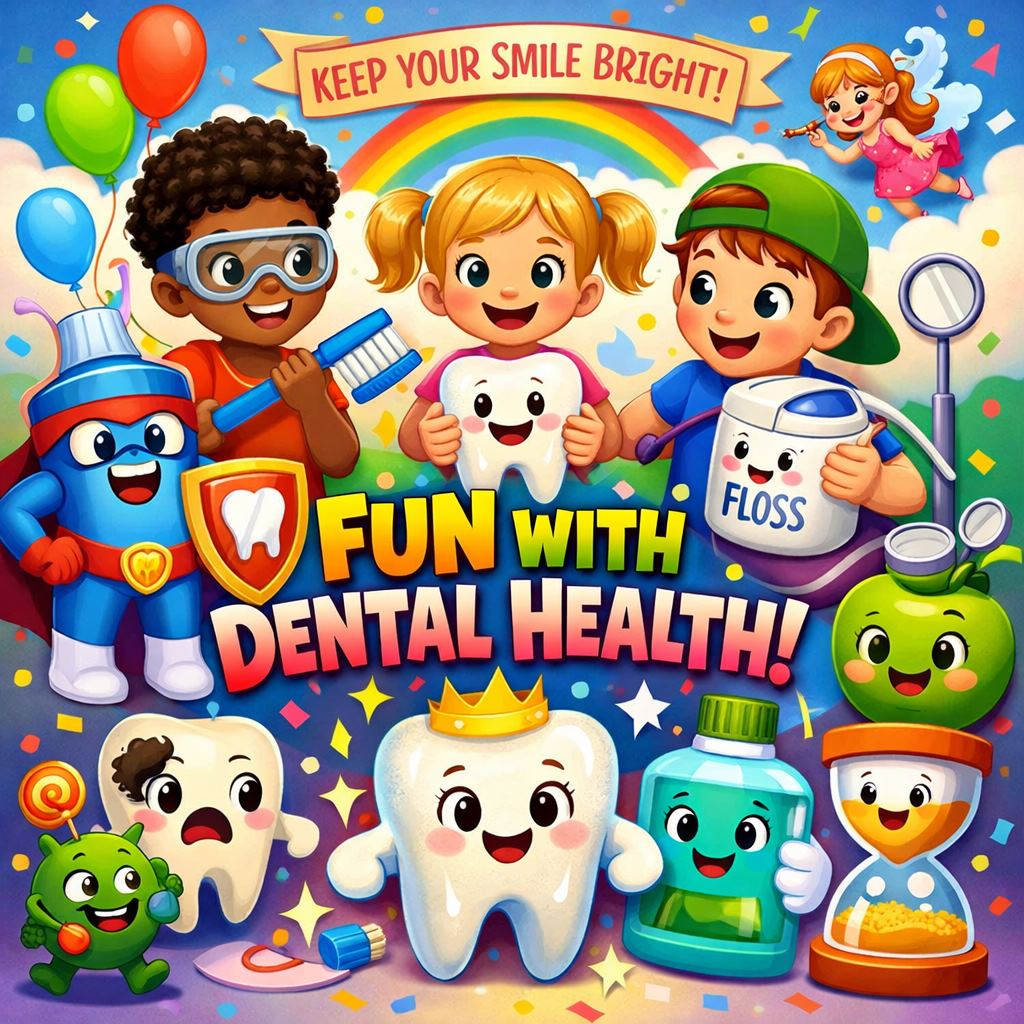
Games can transform brushing from a boring task into an engaging activity. When children see brushing as play, they are more likely to cooperate.
A simple method is creating a brushing reward chart. Children receive stickers each time they brush and floss properly. After reaching a set goal, they can earn a small reward such as choosing a movie or picking a family activity.
Another idea is the “sugar bug hunt.” Parents explain that brushing removes tiny germs called sugar bugs that cause cavities. Children enjoy pretending they are cleaning away the bugs.
Families can also try two-minute brushing challenges where everyone brushes together. This builds healthy habits and teaches children that oral hygiene is important for everyone.
Games also help children brush longer and more carefully. Proper brushing removes plaque bacteria that can damage tooth enamel and lead to cavities.
Young children understand concepts better when they are presented through stories. Books and videos about visiting the dentist can make dental care easier to understand.
Stories about cavity prevention, healthy teeth, or the tooth fairy help children connect brushing with positive outcomes. When children understand why brushing matters, they are more motivated to participate.
Educational apps and short videos can also demonstrate proper brushing techniques. Visual learning helps children see how to clean all tooth surfaces and reach the back teeth.
Parents should choose materials that emphasize prevention rather than fear. Positive messaging helps children view the dentist for children as someone who helps keep their teeth strong and healthy.
Over time, these learning tools reinforce the importance of daily oral hygiene routines.
Diet plays a major role in children’s dental health. Frequent exposure to sugar allows bacteria to produce acids that weaken tooth enamel and cause cavities.
Parents can make healthy snacks fun by offering colorful and crunchy options that support oral health.
Tooth-friendly snacks include:
- Cheese cubes
- Apple slices
- Yogurt
- Carrot sticks
- Celery with peanut butter
Parents should limit snacks that increase the risk of tooth decay, such as:
- Sticky candies
- Sugary drinks
- Fruit snacks
- Frequent sugary desserts
Children who consume large amounts of sugar may develop early signs of dental problems. Warning signs include tooth sensitivity, visible cavities, or complaints of tooth pain.
A Centennial Hills pediatric dentist can help parents identify dietary habits that increase cavity risk and recommend healthier alternatives.
Positive reinforcement is one of the most effective ways to build healthy habits. When children receive praise or small rewards for brushing and flossing, they feel proud of their efforts.
Reward systems do not need to involve expensive prizes. Simple incentives can motivate children to stay consistent with oral hygiene routines.
Examples include:
- Sticker charts
- Extra bedtime stories
- Choosing the weekend activity
- Picking a favorite healthy snack
Parents should avoid rewarding dental habits with sugary treats. This can create confusion about the purpose of preventive dental care.
Instead, focus on encouragement and praise. Positive reinforcement helps children feel confident and responsible for their oral health.
Dental visits are an important part of preventive dentistry. Children who feel comfortable during appointments are more likely to maintain regular checkups.
Parents can prepare children by explaining what happens during a pediatric dental visit. Use simple, reassuring language and avoid words that may create fear.
During a typical visit, the dental team may perform:
- A gentle oral examination
- Professional dental cleaning
- Removal of plaque and tartar
- Evaluation for cavities or gum issues
- Preventive treatments such as fluoride applications
These visits help detect dental problems before they become serious. Early treatment protects the child’s developing teeth and prevents discomfort.
Dr. Sandra Thompson focuses on creating a calm and welcoming environment for children. Positive dental experiences help children build trust and reduce anxiety.
Some dental issues require professional evaluation. Parents should schedule an appointment if they notice symptoms that suggest developing oral problems.
Signs that a child should see a dentist for children include:
- Tooth pain or sensitivity
- Bleeding gums
- Persistent bad breath
- Visible dark spots or holes in teeth
- Difficulty chewing or biting
Early diagnosis allows pediatric dentists to treat problems before they worsen. Delayed care can lead to infection, discomfort, or more complex treatment.
A Centennial Hills kids dentist can provide preventive guidance and treatment options that protect a child’s long-term oral health.
Pediatric dentists receive specialized training to treat children’s unique dental needs. Their goal is not only to treat dental problems but also to teach children how to care for their teeth.
Pediatric dental care often includes:
- Preventive dental cleanings
- Fluoride treatments to strengthen enamel
- Monitoring tooth development
- Early orthodontic assessments
- Education about proper brushing and flossing
Pediatric dental offices are designed to be welcoming for children. Friendly communication and child-focused techniques help young patients feel safe during treatment.
Families often choose a trusted Centennial Hills pediatric dentist because of their expertise in children's dental development and behavior management.
These specialists help children build lifelong habits that support strong and healthy teeth.
Children should begin oral hygiene as soon as their first tooth appears. Parents should use a soft brush and a small amount of fluoride toothpaste. Early brushing helps prevent tooth decay and establishes healthy routines.
Most children should see a pediatric dentist every six months for a checkup and dental cleaning. Regular visits allow dentists to monitor tooth development and identify cavities early.
Parents can try making brushing fun with games, songs, and reward charts. Brushing together as a family can also encourage cooperation. Consistency helps children develop reliable oral hygiene habits.
Yes. Many children benefit from electric toothbrushes because they help remove plaque more effectively. Parents should choose a brush designed for children and supervise proper use.
Early signs of cavities may include white spots on the teeth, tooth sensitivity, visible holes, or complaints of pain. If these symptoms appear, parents should schedule an appointment with a dentist for children.