

Author Name: Dr. Sandra Thompson
No needles or injections in many cases
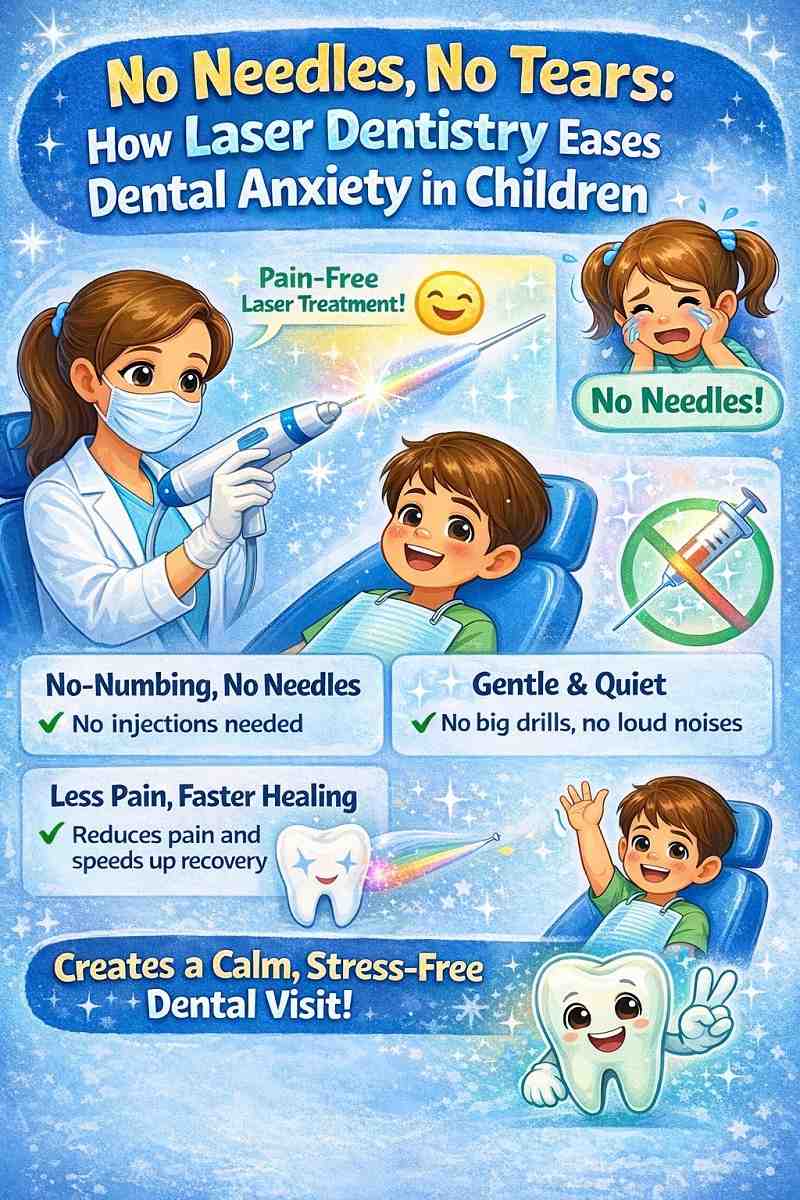
One of the biggest sources of fear for kids is the numbing shot. In many routine treatments, dental lasers reduce or completely eliminate the need for injections. Because lasers can gently desensitize the area being treated, children often remain comfortable without needles. This alone can make the difference between a tearful visit and a calm one.
Reduced vibration, noise, and pressure
Traditional dental tools create vibrations, pressure, and high-pitched sounds that can be overwhelming for children. Lasers work quietly and smoothly, without the grinding sensation kids associate with drills. The absence of harsh noises and shaking tools helps children stay relaxed in the chair and reduces sensory overload.
Less discomfort during and after treatment
Lasers are highly precise, targeting only the affected area while leaving surrounding tissue untouched. This minimizes irritation and trauma, which means children typically experience less discomfort during the procedure and less soreness afterward. Many parents notice their child returns to normal activities quickly, without lingering pain.
Shorter appointments and faster recovery
Because laser dentistry is efficient and causes minimal tissue disturbance, many treatments can be completed more quickly. Shorter appointments are especially beneficial for younger children or those with limited attention spans. Faster healing also means fewer post-visit complaints and a smoother recovery at home.
Why kids often describe laser visits as “easy” or “comfortable”
Children who undergo laser dental treatments frequently describe the experience as simple and surprisingly comfortable. Without needles, loud drills, or prolonged procedures, the visit feels less intimidating. Over time, these positive experiences help reduce dental anxiety and encourage children to approach future appointments with confidence instead of fear.
Treating cavities without drills
One of the most common uses of dental lasers in children is cavity treatment. Lasers can remove tooth decay without the vibration, pressure, or loud noise of a traditional drill. This is especially helpful for anxious children, as the experience feels calmer and less invasive. In many cases, numbing injections are not needed, allowing the appointment to move quickly and comfortably.
Managing gum inflammation or infections
Lasers are highly effective for treating inflamed or infected gum tissue. They gently remove bacteria and diseased tissue while preserving healthy areas, which reduces swelling and discomfort. Because lasers also help sterilize the area, healing tends to be faster and the risk of recurring infection is lower - an important benefit for growing mouths.
Frenectomy procedures (tongue-tie and lip-tie)
Laser technology is commonly used for pediatric frenectomies, including tongue-tie and lip-tie releases. Compared to traditional methods, laser frenectomies are quicker, involve minimal bleeding, and often require no stitches. Children typically experience less discomfort and can return to normal feeding or speech activities much sooner.
Reducing bacteria around teeth and gums
Lasers can be used to reduce harmful bacteria around the teeth and along the gumline, supporting overall oral health. This is particularly beneficial for children who are prone to cavities or gum issues, as it enhances the effectiveness of routine cleanings and helps prevent future problems.
Assisting with canker sores and soft tissue concerns
For children who suffer from painful canker sores or minor soft tissue issues, lasers can provide relief by promoting faster healing and reducing discomfort. The treatment is gentle and quick, making it well suited for children who may struggle with longer or more invasive procedures.
Safety standards for pediatric laser dentistry
Pediatric laser dentistry follows strict clinical safety protocols designed specifically for children. These standards govern how lasers are used, calibrated, and monitored during treatment. Protective eyewear is always provided, treatment areas are carefully controlled, and lasers are selected based on the child’s age, tooth development, and specific dental needs.
How lasers protect healthy tooth structure
One of the key advantages of laser dentistry is precision. Lasers target only damaged or infected tissue, leaving surrounding healthy tooth structure untouched. This conservative approach helps preserve natural enamel and gum tissue, which is especially important for children whose teeth and jaws are still developing.
FDA approval and professional training requirements
Dental lasers used in pediatric dentistry are cleared by the Food and Drug Administration for specific dental applications. In addition, pediatric dentists must complete specialized training and certification before using laser technology. This ensures the dentist understands proper settings, safety protocols, and child-specific considerations.
Why laser dentistry is widely used in pediatric practices
Laser dentistry has become common in pediatric dental offices because it consistently delivers safe, predictable results with fewer side effects. Reduced bleeding, lower infection risk, minimal discomfort, and faster healing make lasers particularly well suited for children. These benefits help dentists provide effective care while keeping young patients calm and comfortable.
Addressing common parent concerns and myths
Some parents worry that lasers may be too strong or harmful for children’s teeth. In reality, dental lasers are carefully controlled and far gentler than many traditional tools. Others assume laser treatment is experimental, but it has been used safely in pediatric dentistry for many years. When performed by a trained pediatric dentist, laser dentistry is not only safe - it is often one of the least invasive treatment options available.
How the appointment is explained to children
Before treatment begins, the dental team typically explains the procedure using simple, reassuring language. Instead of focusing on tools or medical terms, dentists often describe the laser as a “special light” that helps fix teeth gently. This age-appropriate explanation helps children understand what’s happening without triggering fear or worry.
What kids feel (and don’t feel) during treatment
Most children feel little to no discomfort during laser dental procedures. There is usually no sharp pain, no strong pressure, and no loud drilling sounds. Many kids describe the sensation as warm or tingly - and some don’t notice much at all. In many cases, numbing shots are unnecessary, which further reduces stress.
Role of parents during the visit
Parents are often welcome to stay with their child during the appointment, especially for younger or anxious patients. Your calm presence can be reassuring, helping your child feel safe and supported. The dental team will guide parents on how to offer encouragement without distracting from the procedure.
Aftercare instructions and recovery expectations
After a laser dental visit, recovery is usually quick and uncomplicated. Because lasers cause minimal irritation to teeth and gums, children often return to normal eating, speaking, and activities the same day or shortly after. Parents receive clear aftercare instructions, which may include temporary dietary guidelines or gentle brushing recommendations.
When follow-up visits may be needed
Some treatments require a follow-up appointment to monitor healing or complete additional care. These visits are typically shorter and easier than traditional dental follow-ups. The dentist will explain the timeline clearly so parents know what to expect and how to support ongoing oral health at home.