

Author Name: Dr. Sandra Thompson
Key Takeaways
- High sugar intake in children increases the risk of tooth decay and enamel erosion.
- Sugary snacks and drinks allow harmful bacteria to produce acid that weakens teeth.
- Many packaged foods contain hidden sugars that contribute to cavities.
- Replacing sugary snacks with tooth-friendly options can significantly reduce cavity risk.
- Consistent dental care and good brushing habits help protect enamel from sugar damage.
- A dentist for children can detect early signs of diet-related dental issues.
- Regular visits with Dr. Sandra Thompson, Pediatric Dentist, support prevention and early treatment.
Sugar plays a major role in the development of childhood cavities. When children eat sugary foods or drinks, bacteria in the mouth break down those sugars and produce acid. That acid attacks the tooth enamel, the protective outer layer of the teeth.
Frequent sugar exposure creates repeated acid attacks throughout the day. Over time, these attacks weaken enamel and lead to cavities. Children are particularly vulnerable because their enamel is still developing and may be thinner than adult enamel.
Parents should watch for early warning signs of tooth decay, including:
- White chalky spots on teeth
- Increased tooth sensitivity to cold foods
- Small dark spots or pits in the enamel
- Complaints of tooth pain when eating sweets
Early detection can prevent larger dental problems. A Summerlin pediatric dentist can identify enamel damage during routine exams and recommend preventive treatments before cavities worsen.
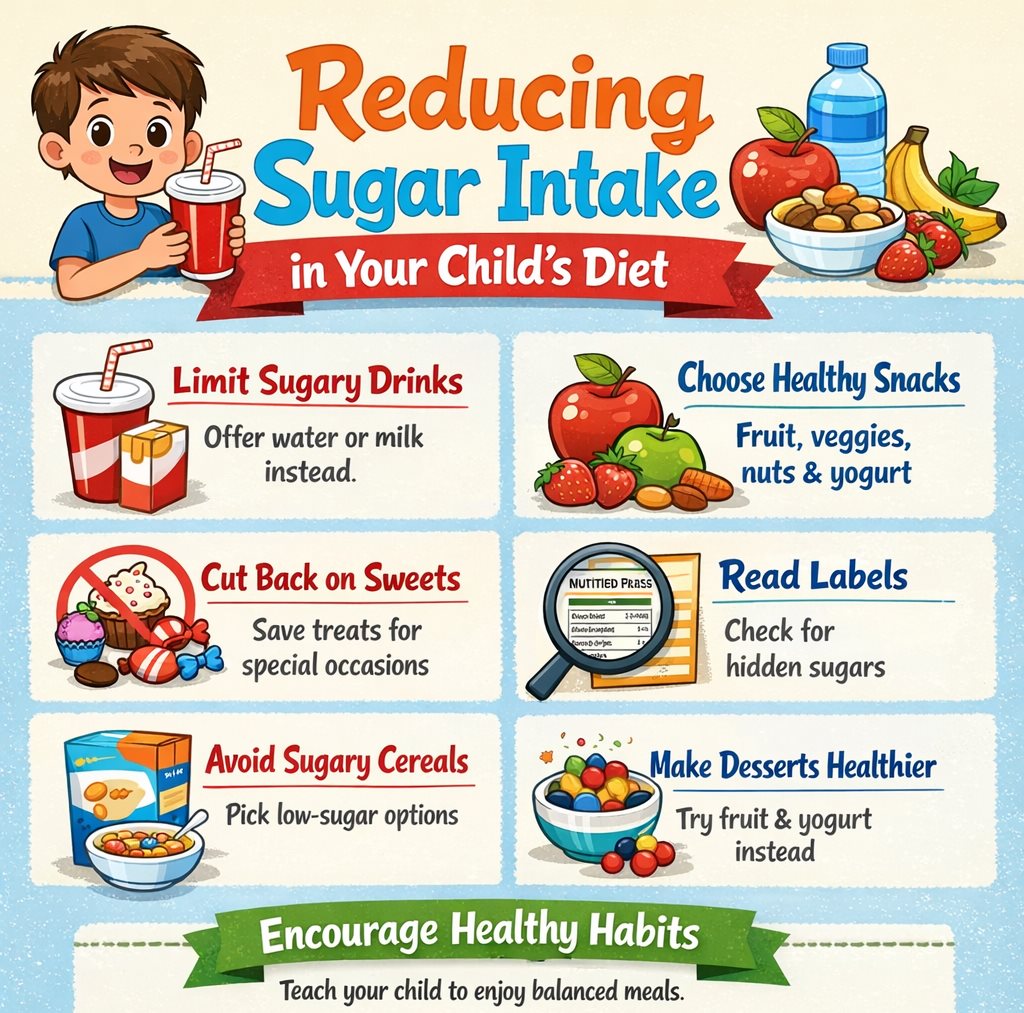
Health organizations recommend limiting added sugar in children’s diets. Many children consume more sugar than recommended because it appears in many everyday foods.
Added sugars differ from naturally occurring sugars. Whole fruits contain natural sugars along with fiber and nutrients. However, foods with added sugars often provide little nutritional value and increase cavity risk.
Common high-sugar foods parents may overlook include:
- Fruit juice and sports drinks
- Sweetened yogurt
- Breakfast cereals
- Granola bars and snack packs
- Flavored milk drinks
Sugar appears in many foods under different names. Parents who read ingredient labels carefully can identify hidden sugar sources that contribute to oral health problems.
Common ingredient names that indicate sugar include:
- Corn syrup
- Cane juice
- Fructose
- Maltose
- Dextrose
- Sucrose
Sticky foods are particularly problematic for teeth. Candy, gummies, and chewy snack bars tend to cling to the grooves of teeth. When sugar remains on tooth surfaces for extended periods, bacteria continue producing acid.
Lowering sugar consumption does not require eliminating treats entirely. Instead, parents can gradually adjust food choices and daily routines.
One helpful strategy is replacing sugary beverages with healthier options. Water and milk help rinse the mouth and support strong teeth.
Tooth-friendly snacks can also protect oral health. Consider offering:
- Cheese cubes
- Fresh vegetables such as carrots or cucumbers
- Plain yogurt
- Nuts when age-appropriate
- Crunchy fruits like apples
These foods stimulate saliva production. Saliva naturally helps neutralize acid and wash away food particles.
Parents can also limit frequent snacking. Constant grazing exposes teeth to sugar repeatedly throughout the day. Scheduling regular meal and snack times allows the mouth to recover between eating periods.
Children develop eating habits early in life. When parents model healthy choices, children are more likely to adopt similar behaviors.
Setting consistent snack routines helps reduce unnecessary sugar exposure. Instead of offering sugary rewards, parents can encourage healthier treats and balanced meals.
Helpful strategies include:
- Preparing snack boxes with healthy options
- Letting children help choose fruits and vegetables during grocery shopping
- Teaching children to recognize sugary foods and drinks
Making healthy snacks visually appealing can also encourage children to try them. Colorful fruits, creative snack plates, and fun shapes often help children accept healthier alternatives.
Routine visits with a dentist for children play an essential role in preventing diet-related dental problems. Pediatric dentists are trained to identify early signs of tooth decay and provide guidance tailored to each child.
Preventive dental treatments may include:
- Fluoride treatments that strengthen tooth enamel
- Dental sealants that protect cavity-prone molars
- Professional dental cleanings that remove plaque buildup
During dental visits, parents can also receive advice about reducing children’s sugar intake and improving daily hygiene routines.
Dr. Sandra Thompson, a trusted Summerlin kids dentist, works with families to identify risk factors and develop preventive strategies that protect young smiles.
Parents should schedule a dental visit if children experience:
- Persistent tooth sensitivity
- Visible cavities or dark spots on teeth
- Chronic bad breath
- Pain when chewing
Early treatment prevents minor issues from becoming complex dental procedures.
Healthy teeth depend on both diet and consistent oral hygiene habits. Even with reduced sugar intake, children still need a reliable routine that removes plaque and food particles.
Key steps include:
- Brushing twice daily with fluoride toothpaste
- Flossing once per day to clean between teeth
- Drinking water after snacks or meals
- Avoiding sugary drinks before bedtime
Nighttime brushing is particularly important. During sleep, saliva production decreases. Without saliva to wash away sugars and bacteria, teeth become more vulnerable to decay.
Strong dental care routines help protect enamel from daily sugar exposure.
Parents should seek professional evaluation when signs of dental decay appear. Early diagnosis allows dentists to treat problems before they progress.
Symptoms that require attention include:
- Tooth discoloration or visible holes
- Persistent tooth pain
- Sensitivity to cold drinks or sweets
- Plaque buildup near the gumline
- Swelling around the gums
A Summerlin pediatric dentist can examine teeth, identify dietary risk factors, and recommend preventive treatments. Early care often prevents more complex dental procedures later.
Experts recommend limiting added sugars in children’s diets as much as possible. High children sugar intake increases the risk of tooth decay, obesity, and other health problems.
Whole fruits contain natural sugars but also provide fiber and vitamins. They are less harmful than candy or processed snacks. However, brushing after meals still helps protect tooth enamel.
Sugary drinks can be particularly harmful because they coat teeth and expose enamel to sugar for longer periods. Frequent sipping throughout the day increases the risk of dental caries.
Brushing helps remove plaque and bacteria, but it cannot fully protect teeth from frequent sugar exposure. Reducing sugary foods while maintaining good oral hygiene provides better protection.
Parents should visit a dentist for children if they notice tooth pain, discoloration, visible holes, or sensitivity to sweets. Early evaluation prevents more serious dental problems.