

Author Name: Dr. Sandra Thompson
Key Takeaways
- Silver Diamine Fluoride (SDF) stops cavity progression and protects weakened tooth structure.
- Dark staining on treated areas is normal and indicates the decay has been arrested.
- Children should avoid eating or drinking for about 30–60 minutes after treatment.
- Good oral hygiene habits help protect treated teeth and prevent new cavities.
- Follow-up visits allow a Las Vegas pediatric dentist to monitor the tooth and decide if additional care is needed.
- Parents should watch for signs such as pain, swelling, or sensitivity.
- SDF may need periodic reapplication to maintain its effectiveness.
Silver Diamine Fluoride (SDF) is a liquid treatment used to stop active tooth decay. It combines antibacterial silver with fluoride that strengthens tooth structure. Together, these ingredients help halt cavity progression and protect the tooth.
Many children’s dentist offices recommend SDF because it offers a non-invasive way to manage decay, especially in younger children.
How SDF Stops Tooth Decay
The treatment works through several important mechanisms:
- The silver component kills bacteria that cause cavities.
- Fluoride helps remineralize weakened enamel and dentin.
- The solution creates a protective layer that prevents further breakdown of the tooth.
Because of these effects, SDF can stop cavities from getting worse.
When Pediatric Dentists Recommend SDF
A Las Vegas kids dentist may recommend SDF in several situations:
- Early cavities in baby teeth
- Children who struggle with traditional dental procedures
- Young patients with dental anxiety
- Temporary management before restorative treatment
- Patients with special healthcare needs
Why Many Parents Choose Silver Diamine Fluoride in Las Vegas
Parents often prefer SDF because the treatment:
- Requires no drilling or injections
- Can be applied quickly during a routine visit
- Helps preserve natural tooth structure
- Reduces the risk of cavity progression
For families focused on preventive pediatric dental care, this approach can be extremely helpful.
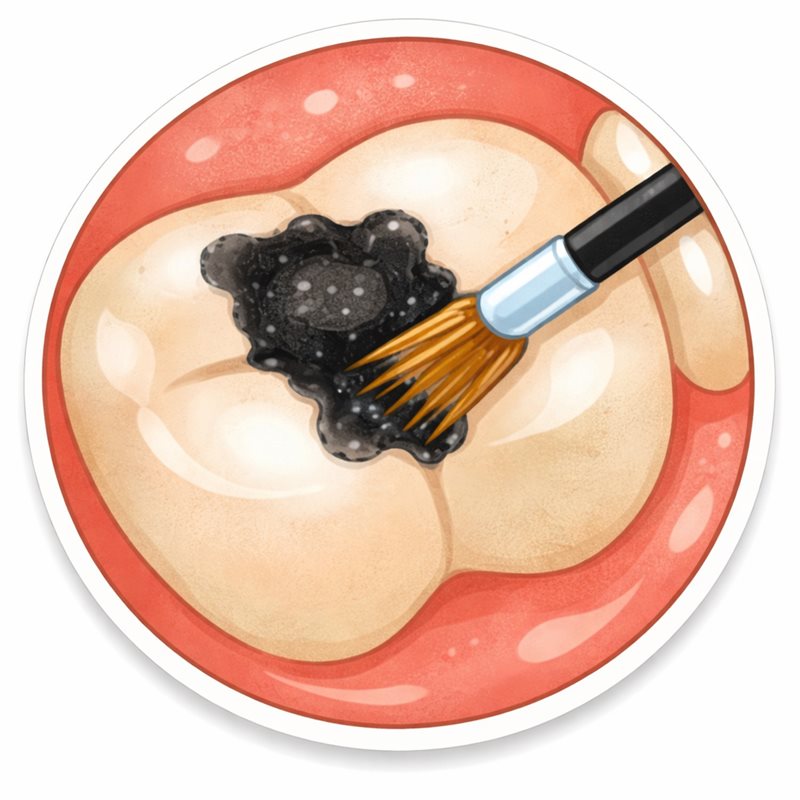
Understanding the immediate effects of treatment helps parents avoid unnecessary concern. Most children experience very few symptoms after SDF application.
The Normal Color Change in Treated Areas
One of the most noticeable effects is dark staining on the treated cavity.
This happens because the silver reacts with the decayed portion of the tooth. The result is a black or dark brown color on the area where decay existed.
This color change actually signals that the cavity has been arrested. Healthy enamel surrounding the treated area usually remains its natural color.
Temporary Taste or Texture Changes
Some children may briefly notice a mild metallic taste. This typically fades within minutes.
The treatment is applied in a small amount, and most children tolerate it well.
Protecting the Treatment Area Right After the Visit
After the appointment, parents should help children avoid touching the treated area. This allows the solution to settle properly.
Dentists typically advise waiting a short time before eating or drinking.
Simple dietary precautions help protect the treated tooth and support healing.
How Long Children Should Wait Before Eating
Children should avoid food and drinks for about 30 to 60 minutes after treatment. This gives the solution enough time to fully absorb into the tooth.
Once this waiting period passes, children can return to normal eating habits.
Foods to Encourage After Treatment
Healthy food choices support strong teeth and better oral health. Parents can encourage:
- Fresh fruits and vegetables
- Dairy products rich in calcium
- Whole grains and balanced meals
Foods and Drinks That Increase Cavity Risk
Some foods make tooth decay more likely. Limiting these items helps protect children’s teeth:
- Sugary drinks such as soda and juice
- Sticky candies that cling to teeth
- Frequent snacking between meals
Reducing sugar exposure supports long-term preventive dental care.
Daily dental care at home remains essential after SDF treatment.
Brushing Techniques for Children
Children should brush their teeth twice daily with fluoride toothpaste.
For younger children, parents should assist with brushing to ensure proper cleaning. A soft toothbrush works best, especially around treated areas.
Gentle brushing removes plaque while protecting delicate enamel.
The Role of Flossing in Preventing New Cavities
Many cavities form between teeth where toothbrushes cannot reach. Dental floss removes plaque in these tight spaces.
Parents should begin flossing their child’s teeth once two teeth touch.
Using Fluoride Products Safely
Fluoride strengthens enamel and protects against decay.
Dentists recommend:
- A rice-sized amount of toothpaste for children under three
- A pea-sized amount for older children
Using the correct amount helps maximize the benefits of fluoride.
Most children experience no complications after treatment. However, parents should watch for certain symptoms.
When Dark Staining Is Normal
Dark staining on the treated cavity is expected and does not indicate a problem. It simply means the treatment has successfully stopped decay.
Warning Signs That Require Dental Evaluation
Parents should contact a Las Vegas pediatric dentist if they notice:
- Tooth pain or sensitivity
- Swelling around the gums
- Persistent irritation near the treated area
- Signs that the cavity appears larger
These symptoms may indicate the need for additional dental care.
When a Follow-Up Visit May Be Needed
Even when treatment works well, regular checkups remain important. Dentists monitor the treated tooth to confirm the cavity has stopped progressing.
Routine follow-up visits play a key role in successful cavity management.
Monitoring the Arrested Cavity
During follow-up visits, the dentist evaluates the treated tooth to ensure decay remains inactive.
This monitoring helps maintain the success of Silver Diamine Fluoride treatment.
Possible Additional Treatments
Sometimes additional care may be recommended, including:
- Reapplication of Silver Diamine Fluoride
- Dental fillings if needed
- Protective crowns for severely damaged teeth
The goal is always to preserve the child’s natural tooth whenever possible.
Preventive Care Planning
A children’s dentist may also recommend preventive strategies tailored to your child. These strategies help reduce the risk of future cavities.
Preventing tooth decay is the foundation of modern pediatric dental care.
Preventive Treatments That May Be Recommended
Many dentists offer treatments that strengthen teeth and reduce cavity risk:
- Fluoride varnish treatments
- Dental sealants to protect chewing surfaces
- Routine professional cleanings
These preventive services help keep children’s teeth healthy.
The Role of Regular Dental Exams
Routine dental exams allow dentists to detect problems early.
Early detection helps prevent cavities from becoming severe and allows children to receive simpler treatments.
How a Las Vegas Kids Dentist Supports Healthy Habits
Education is an important part of every dental visit.
A Las Vegas kids dentist can help families develop:
- Effective brushing routines
- Healthy dietary habits
- Strong preventive dental practices
These habits protect children’s teeth for years to come.
Silver Diamine Fluoride stops the progression of tooth decay, but it does not rebuild lost tooth structure. Some teeth may eventually need restorative treatment such as fillings.
Yes, the treated cavity usually remains dark. However, the stain only appears on areas affected by decay, not on healthy enamel.
Many dentists recommend reapplying Silver Diamine Fluoride every six to twelve months. The exact schedule depends on the child’s cavity risk and the condition of the tooth.
Yes. Silver Diamine Fluoride has been widely used in pediatric dentistry and is considered safe when applied by a qualified dentist.
SDF can stop cavities from growing, but it does not restore the tooth’s shape. In some cases, dentists later recommend fillings or crowns for full restoration.