

Author Name: Dr. Sandra Thompson
Key Takeaways
- Cavities (tooth decay) develop when bacteria and sugars damage tooth enamel.
- Children understand dental health better when explanations are simple and visual.
- Early education helps kids develop consistent oral hygiene habits.
- Symptoms of cavities include tooth sensitivity, dark spots, and persistent tooth pain.
- Routine visits to a Las Vegas kids dentist allow early detection and treatment.
- Pediatric dentists use demonstrations and child-friendly language to explain dental care.
Understanding how cavities form helps children see why brushing and dental visits are important. Kids are more likely to follow dental advice when they understand what happens inside their mouths.
How Bacteria Cause Tooth Decay
The mouth naturally contains bacteria. When children eat sugary foods, these bacteria feed on the sugar and produce acid. This acid attacks the outer layer of the tooth, known as tooth enamel.
Over time, repeated acid attacks weaken enamel and create small holes in the tooth. These holes are known as cavities. Without treatment, cavities can grow deeper and cause pain or infection.
Teaching children that “sugar bugs” damage teeth can make the concept easier to understand.
Why Children Are More Prone to Cavities
Children face several risk factors for tooth decay. Many kids are still learning proper brushing technique. They may miss back teeth or brush too quickly.
Frequent snacking also increases cavity risk. Foods like candy, juice, and sticky snacks leave sugar on teeth for long periods. Bacteria thrive in this environment.
A Las Vegas pediatric dentist often explains that teeth need regular cleaning to remove plaque before it turns into decay.
The Importance of Early Education
Children who understand dental health tend to cooperate better during dental visits. Education helps reduce anxiety and builds trust.
Pediatric dentists use models, drawings, and demonstrations to show how oral bacteria damage teeth. This approach helps children connect daily brushing with cavity prevention.
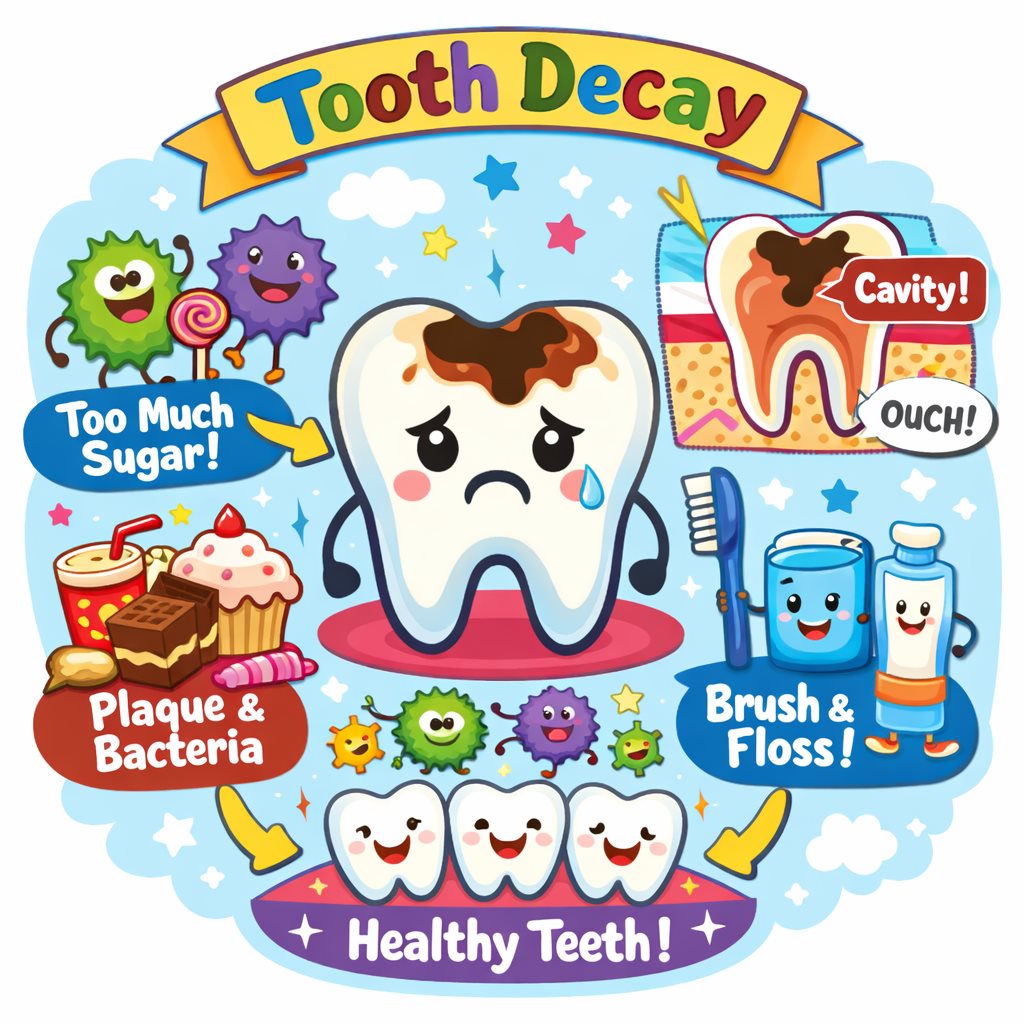
A children’s dentist uses specialized communication techniques designed for young patients. These strategies make dental education easier for kids to understand.
Using Simple, Age-Appropriate Language
Complex medical terms can confuse children. Pediatric dentists use clear, simple explanations.
For example, instead of saying “tooth decay,” they might describe cavities as “tiny holes that happen when sugar bugs stay on teeth.” This explanation keeps the concept accurate but less intimidating.
Visual Demonstrations
Visual tools help children understand what happens in their mouths. During dental appointments, dentists often show large tooth models.
They demonstrate how plaque buildup forms on teeth and how brushing removes it. Seeing the process helps children remember the lesson.
A Las Vegas kids dentist may also use mirrors so children can see their own teeth during the explanation.
Turning Dental Education Into a Story
Storytelling works well with young children. Dentists sometimes explain that brushing is how kids “fight the sugar bugs.”
This playful approach makes dental care feel like an activity rather than a chore.
Reinforcing Positive Dental Habits
Pediatric dentists encourage children during appointments. Positive reinforcement builds confidence and reduces fear.
Dr. Sandra Thompson emphasize praise and encouragement while teaching children proper brushing techniques and flossing habits.
Parents play a key role in reinforcing oral health lessons. Children hear information repeatedly from both parents and their pediatric dentist, which improves understanding.
Use Everyday Examples Kids Understand
Comparisons help children grasp new ideas. Parents can explain that brushing teeth is like washing hands after playing outside.
Both actions remove germs that can cause problems.
You can also explain that sugary foods stick to teeth just like sticky dirt sticks to hands.
Make Dental Care Interactive
Children learn better when they participate. Encourage kids to watch themselves brushing in the mirror.
Some parents use timers or songs to make brushing last the full two minutes recommended by dental professionals.
Educational dental videos can also help explain tooth decay in a kid-friendly way.
Create a Consistent Brushing Routine
Children benefit from predictable routines. Brushing twice daily should become part of the morning and bedtime schedule.
Parents should supervise brushing until children develop the coordination needed to clean all teeth properly.
Flossing becomes important once teeth begin touching. Removing plaque between teeth helps prevent interdental cavities.
Use Positive Reinforcement
Praise encourages children to continue healthy habits. Reward systems like sticker charts can motivate younger kids.
Avoid using the dentist as a threat. Instead, explain that a children’s dentist helps keep teeth strong and healthy.
Early cavity detection makes treatment easier and less invasive. Many cavities begin with subtle signs that parents might overlook.
Visible Changes in Teeth
Early tooth decay may appear as chalky white spots on the enamel. These spots indicate mineral loss.
As decay progresses, brown or dark areas may appear on the tooth surface.
Parents should schedule an evaluation with a Las Vegas pediatric dentist if they notice these changes.
Tooth Sensitivity
Children with cavities often complain about discomfort when eating sweets or cold foods.
Sensitivity occurs when enamel weakens and exposes deeper layers of the tooth.
If a child avoids certain foods or complains about pain while brushing, a dental exam may be necessary.
Persistent Tooth Pain
More advanced cavities can cause continuous tooth pain. Children may point to one specific tooth while chewing.
This symptom indicates that decay may have reached deeper tooth layers.
Prompt treatment from a Las Vegas kids dentist can prevent infection or further damage.
Bad Breath or Plaque Build-Up
Chronic bad breath may indicate bacterial buildup. Excess plaque along the gumline can also increase cavity risk.
Regular dental cleanings remove hardened plaque that brushing cannot eliminate.
Modern pediatric dentistry focuses on early treatment and comfort. The treatment approach depends on the size and location of the cavity.
Dental Fillings for Small Cavities
Small cavities are typically treated with tooth-colored fillings. The dentist removes decayed material and restores the tooth with a durable filling.
This treatment stops decay from spreading and protects the tooth.
Silver Diamine Fluoride (SDF) Treatment
Silver Diamine Fluoride (SDF) is a non-invasive treatment used to slow the progression of tooth decay.
SDF is often recommended for very young children or those who have difficulty tolerating traditional procedures.
The solution stops bacterial growth and helps prevent further damage.
Crowns for Larger Cavities
If decay affects a large portion of the tooth, a dental crown may be necessary. Crowns restore strength and protect the remaining tooth structure.
Pediatric crowns are durable and designed to withstand chewing forces.
Preventive Treatments
Preventive care is essential in pediatric dentistry.
Common treatments include:
- Dental sealants, which protect molars from food and bacteria
- Fluoride treatments, which strengthen enamel and reduce cavity risk
A Las Vegas pediatric dentist evaluates each child’s risk factors before recommending preventive treatments.
Preventing cavities (tooth decay) is easier than treating them. Consistent habits make a significant difference in children’s oral health.
Proper Brushing Technique
Children should brush twice daily using fluoride toothpaste. A soft-bristled toothbrush helps protect delicate gums.
Brushing should last at least two minutes. Parents should guide children to clean all surfaces of the teeth.
Smart Snack Choices
Diet plays an important role in cavity prevention. Frequent sugary snacks increase bacterial activity.
Encourage healthier options like fruits, vegetables, cheese, and water.
Reducing sugary drinks also protects enamel from acid exposure.
Regular Dental Checkups
Routine visits to a Las Vegas kids dentist allow early detection of dental issues.
Professional cleanings remove plaque buildup that home brushing cannot eliminate.
Most pediatric dentists recommend checkups every six months.
Teaching Lifelong Oral Health Habits
Children who develop good dental habits early are more likely to maintain them into adulthood.
Parents should model positive oral hygiene behavior by brushing and flossing regularly.
Education and consistency help children see dental care as a normal part of daily life.
Regular dental visits are essential for monitoring a child’s oral development.
The American Academy of Pediatric Dentistry recommends that children see a dentist by their first birthday.
After the first visit, children should return every six months for exams and cleanings.
Parents should schedule a dental visit if a child experiences:
- Tooth pain or swelling
- Visible holes in teeth
- Chipped or broken teeth
- Sensitivity when eating or drinking
Early evaluation prevents small issues from becoming serious problems.
A children’s dentist receives specialized training in child behavior, dental development, and preventive care.
Pediatric offices also create a welcoming environment designed to make children feel comfortable.
Dr. Sandra Thompson combine dental expertise with child-friendly communication, helping families manage dental health with confidence.
The best approach is to use simple language and visual examples. Explaining cavities as “sugar bugs making holes in teeth” helps young children understand the concept without fear.
Children can begin learning about oral hygiene as soon as their first teeth appear. Early education encourages lifelong dental habits.
Yes. Untreated cavities in baby teeth can cause pain, infection, and damage to developing permanent teeth. Early treatment prevents these complications.
Pediatric dentists use calm explanations, demonstrations, and positive reinforcement. Child-focused environments also help reduce anxiety during treatment.
Most children should visit a Las Vegas pediatric dentist every six months. Regular checkups allow dentists to monitor oral health and prevent cavities.
Sugary snacks, candy, juice, and sticky foods increase the risk of tooth decay. Limiting these foods and encouraging healthy snacks helps protect children’s teeth.