

Author Name: Dr. Sandra Thompson
Acidic Foods and Drinks Common in Kids’ Diets
One of the leading causes of enamel erosion in children is frequent exposure to acidic foods and beverages. Many items marketed as “healthy” or “hydrating” can still soften enamel when consumed regularly.
Common culprits include:
- Fruit juices (especially orange, apple, and citrus blends)
- Sports drinks and electrolyte beverages
- Sodas, even those labeled sugar-free
- Citrus snacks such as oranges, lemons, and sour candies
Frequent Snacking and Prolonged Acid Exposure
It’s not just what children consume, but how often they consume it. Frequent snacking creates repeated acid attacks on enamel, especially when snacks include fruit snacks, juice boxes, or flavored drinks.
Each time a child eats or drinks something acidic:
- The mouth becomes acidic for 20–40 minutes
- Enamel temporarily softens
- Teeth are more vulnerable to erosion
Improper Brushing Habits
While brushing is essential, brushing at the wrong time or with the wrong tools can accelerate enamel loss.
Brushing immediately after acidic foods or drinks
- Acid softens enamel temporarily
- Brushing right away can scrub away weakened enamel
- Dentists recommend waiting at least 30–60 minutes after acidic intake
Using hard-bristle toothbrushes
- Hard bristles can wear down enamel over time
- Aggressive brushing increases surface erosion
- Soft-bristle brushes are safest for children’s teeth
Medical and Lifestyle Factors
Some causes of enamel erosion are not diet-related and may go unnoticed without professional dental guidance.
Acid reflux (GERD)
- Stomach acid travels back into the mouth
- Acid exposure often occurs at night
- Erosion may appear on the inside surfaces of teeth
Dry mouth or mouth breathing
- Saliva helps neutralize acids and protect enamel
- Dry desert air in Las Vegas can worsen dry mouth
- Chronic mouth breathing reduces natural enamel protection
Overexposure to Acidic Medications or Chewable Vitamins
Many children’s medications and supplements are acidic by nature.
Common examples include:
- Chewable vitamin C tablets
- Gummy vitamins
- Liquid medications with acidic flavoring
Dry Desert Climate and Dehydration
Las Vegas’s hot, arid climate contributes to chronic dehydration, even in children who appear otherwise healthy. Dehydration reduces saliva production, which plays a critical role in protecting enamel.
Saliva helps by:
- Neutralizing acids in the mouth
- Washing away food particles
- Remineralizing weakened enamel
Increased Mouth Breathing Due to Allergies and Dry Air
Seasonal allergies and dry air are common in Las Vegas and often lead to mouth breathing, particularly in children.
Mouth breathing:
- Dries out the oral tissues
- Reduces saliva’s protective effect
- Creates an acidic environment around teeth
Higher Reliance on Flavored Waters and Sports Drinks
To combat heat and dehydration, many families turn to flavored waters, electrolyte drinks, and sports beverages. While these drinks may seem like healthier alternatives to soda, many contain acids that soften enamel.
Common concerns include:
- Continuous sipping throughout the day
- Acids lingering on teeth during sports and outdoor play
- Increased exposure without proper rinsing or water intake
Why Children in Las Vegas May Experience Faster Enamel Wear
The combination of dry air, reduced saliva, frequent acid exposure, and mouth breathing creates a perfect storm for enamel erosion in Las Vegas children.
Compared to more humid climates:
- Enamel softens more often and for longer periods
- Recovery and remineralization take longer
- Early erosion progresses faster without visible cavities
Tooth Sensitivity to Cold, Heat, or Sweets
One of the earliest and most common signs of enamel erosion is tooth sensitivity. Children may complain that:
- Cold water or ice cream hurts their teeth
- Warm foods feel uncomfortable
- Sweet snacks cause a sharp or tingling sensation
Yellowing or Transparency at Tooth Edges
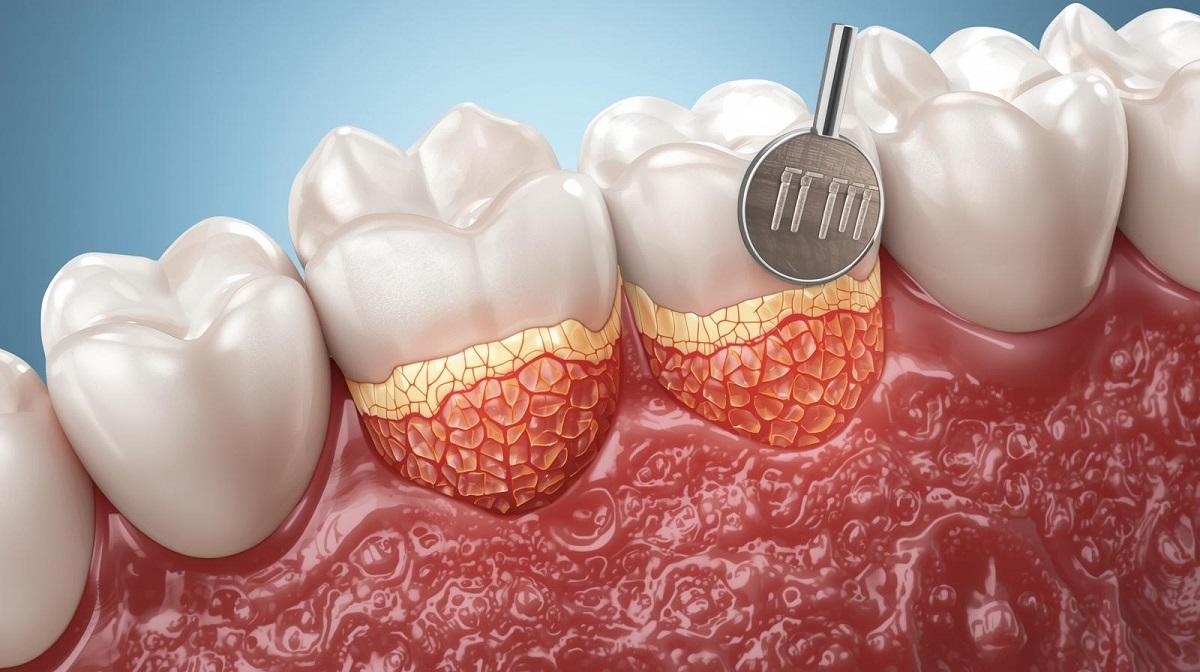
Healthy enamel is naturally white and opaque. As enamel erodes:
- Teeth may appear more yellow as dentin shows through
- The edges of front teeth may look translucent or glassy
- Light may pass through thinner enamel at the tips
Rounded or Worn-Down Tooth Surfaces
Enamel erosion causes teeth to lose their sharp, defined contours. Over time, parents may observe:
- Flattened chewing surfaces
- Rounded edges instead of crisp tooth shapes
- Teeth that look “shorter” or smoother
Increased Complaints during Brushing
If brushing suddenly becomes uncomfortable, it may signal enamel erosion. Children might:
- Avoid brushing certain areas
- Complain of stinging or discomfort
- Resist brushing altogether
Chips or Rough Edges on Teeth
As enamel thins, teeth become more fragile. Parents may feel:
- Small chips along the edges of teeth
- Rough or uneven surfaces with the tongue
- Minor damage without any known injury
Changes Noticed During Routine Dental Checkups
Sometimes, the earliest signs of enamel erosion are only visible during professional exams. A pediatric dentist may notice:
- Subtle surface changes
- Loss of enamel shine
- Early thinning before symptoms appear
Why Early Detection Matters
Enamel erosion cannot be reversed - but it can be slowed or stopped when identified early. Catching these signs allows parents and dental professionals to:
- Adjust diet and hydration habits
- Improve brushing techniques
- Strengthen enamel before significant damage occurs
Smart Dietary Changes for Kids
Diet plays a major role in enamel health. Reducing acid exposure - even slightly - can make a meaningful difference.
Limiting acidic drinks
- Reduce soda, sports drinks, flavored waters, and fruit juices
- Encourage plain water as the primary drink between meals
- Keep acidic drinks limited to mealtimes rather than sipping all day
Using straws when appropriate
- Straws help direct liquids past the teeth
- They reduce direct acid contact with enamel
- Best used for juices or flavored drinks rather than water
Proper Brushing Routines
Good brushing habits protect enamel - but timing and technique matter.
Waiting 30–60 minutes after acidic foods
- Acid temporarily softens enamel
- Brushing too soon can remove weakened enamel
- Rinsing with water first helps neutralize acids
Using soft-bristle brushes
- Soft bristles clean effectively without abrasion
- They reduce wear on enamel and gums
- Replace toothbrushes every 3 months or sooner if frayed
Choosing the Right Toothpaste for Enamel Protection
Not all toothpastes are created equal. For children prone to enamel erosion:
- Choose fluoride toothpaste appropriate for your child’s age
- Look for formulas designed to strengthen enamel
- Avoid highly abrasive whitening toothpastes
Encouraging Proper Hydration in Desert Climates
In Las Vegas, dehydration can happen quickly - especially in active children. Proper hydration supports enamel by:
- Stimulating saliva production
- Helping neutralize acids naturally
- Reducing dry mouth and mouth breathing
Encourage children to:
- Sip plain water frequently throughout the day
- Drink water after snacks and acidic drinks
- Carry a reusable water bottle during outdoor activities
Nighttime Oral Care Habits That Protect Enamel
Nighttime routines are critical because saliva production decreases during sleep.
Helpful habits include:
- Brushing gently before bed with fluoride toothpaste
- Avoiding acidic or sugary drinks before sleep
- Rinsing with water if medications or vitamins are taken at night
How Often Children Should Be Screened for Enamel Erosion
Most children should see a pediatric dentist every six months for routine dental exams. During these visits, enamel erosion screening is often part of the overall oral health assessment.
More frequent evaluations may be recommended if a child:
- Has a history of enamel erosion or sensitivity
- Consumes acidic drinks regularly
- Experiences acid reflux or dry mouth
- Mouth-breathes due to allergies or nasal congestion
Regular screening allows kids’ dentist to detect subtle enamel changes before symptoms become painful or visible.