

Author Name: Dr. Sandra Thompson
Severe Toothaches or Sudden Pain
Intense or persistent tooth pain is never normal for children. It may signal advanced tooth decay, an infection, nerve involvement, or trauma that isn’t visible on the surface. Ignoring severe pain can allow bacteria to spread deeper into the tooth or surrounding bone, making treatment more invasive over time.
Knocked-Out or Loose Teeth
A tooth that has been knocked out or suddenly feels loose, especially after a fall or sports injury - requires urgent care. In some cases, quick treatment can save the tooth, particularly if addressed within the first hour. Delays may result in permanent tooth loss or damage to the developing adult tooth beneath.
Cracked, Fractured, or Broken Teeth
Even small cracks can expose sensitive inner layers of the tooth. Left untreated, these injuries may worsen, leading to infection, pain, or the need for crowns or extractions. Prompt evaluation helps determine whether the tooth can be repaired conservatively.
Facial Swelling or Gum Infections
Swelling in the face, jaw, or gums often points to an infection. In children, dental infections can spread quickly and may affect breathing, swallowing, or overall health if left untreated. Facial swelling should always be treated as urgent.
Bleeding That Doesn’t Stop
Bleeding from the mouth after an injury or dental procedure that doesn’t slow or stop can indicate tissue damage or trauma to the gums or tongue. Persistent bleeding needs immediate professional care to prevent complications and ensure proper healing.
Dental Injuries From Sports or Falls
Centennial’s active lifestyle means kids are often biking, playing sports, or enjoying outdoor activities year-round. Falls and sports collisions are a leading cause of dental emergencies. Even if a child says they “feel fine,” hidden damage to teeth or roots may still be present.
Minor Issues Can Progress Into Infections
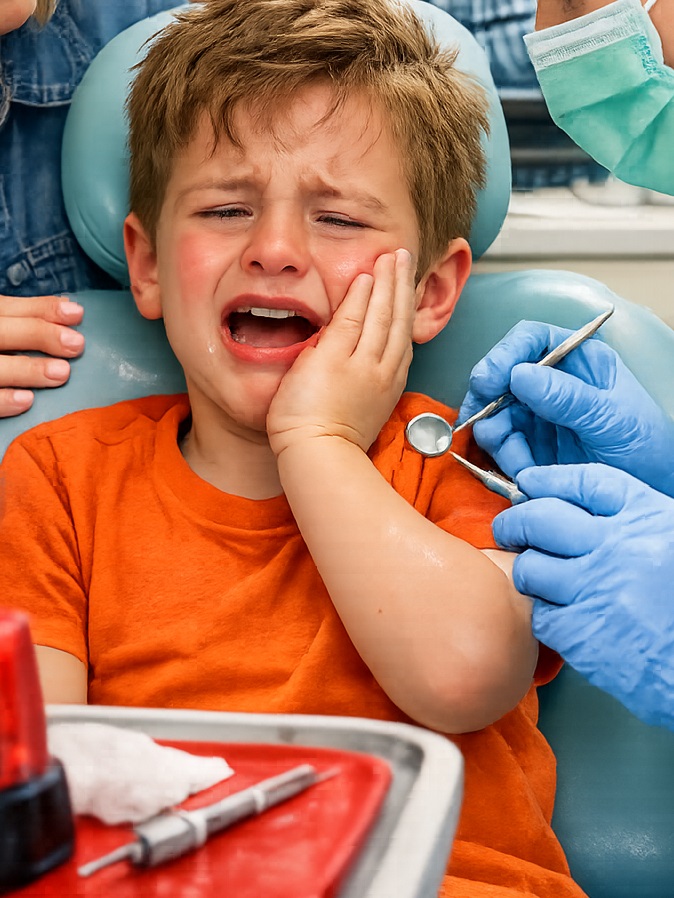
What starts as a small cavity, crack, or gum irritation can rapidly develop into an infection. Bacteria can spread beneath the tooth surface or into surrounding tissues, leading to abscesses, facial swelling, and systemic health concerns. Early treatment often prevents infection from taking hold.
Increased Risk of Permanent Tooth Damage
Children’s teeth are still developing, and trauma to baby teeth can impact the adult teeth forming beneath them. Delaying care after an injury increases the risk of permanent damage, including discoloration, weakened enamel, or tooth loss - outcomes that are often avoidable with prompt attention.
Pain and Swelling Become Harder to Control
Dental pain rarely stays the same - it usually intensifies. As inflammation spreads, swelling can affect the gums, jaw, or face, making pain management more difficult. Delayed treatment often means children arrive for care already in significant discomfort.
Higher Likelihood of Invasive Treatment
Early intervention may allow for simple solutions, such as fillings or minor repairs. When care is postponed, treatment options may escalate to root canal therapy, extractions, or surgical procedures. These treatments are more complex and can be more stressful for young patients.
Emotional Distress for Children
Ongoing dental pain and uncertainty can increase anxiety and fear, especially in children. Delays can make future dental visits more difficult by reinforcing negative experiences. Addressing emergencies quickly helps preserve trust and confidence in dental care.
Greater Long-Term Treatment Costs
Waiting often leads to higher overall costs. Advanced procedures, multiple visits, medications, and longer recovery times typically cost far more than early, preventive treatment. Acting promptly can help families avoid unnecessary financial strain.
Persistent or Severe Pain
Ongoing or intense tooth pain is one of the clearest indicators that something is wrong. Pain that lasts more than a short period, wakes a child at night, or worsens over time often signals infection, nerve involvement, or significant tooth damage. This type of pain should never be ignored.
Swelling in the Gums, Face, or Jaw
Swelling is a red flag for infection or trauma. Puffy gums, facial swelling, or a visibly enlarged jaw may indicate an abscess or spreading infection. In children, swelling can escalate quickly and should be treated as urgent - even if pain seems mild.
Fever Paired With Dental Symptoms
A fever combined with tooth pain, swelling, or gum irritation may mean the body is fighting a dental infection. This is especially concerning in children, as infections can spread beyond the mouth if not treated promptly.
Tooth Mobility or Displacement
A tooth that suddenly feels loose, pushed out of position, or knocked out entirely after a fall or impact requires immediate care. Quick treatment can sometimes stabilize or save the tooth and prevent long-term damage to surrounding teeth and bone.
Visible Cracks, Fractures, or Exposed Tooth Structure
If you can see a crack, break, or inner layer of the tooth, the damage is already significant. Exposed tooth structure leaves nerves vulnerable to bacteria and sensitivity, increasing the risk of infection and pain if treatment is delayed.
Changes in Eating, Sleeping, or Behavior Due to Pain
Children often show dental pain through behavior rather than words. Refusing to eat, avoiding certain foods, waking at night, irritability, or sudden mood changes can all point to a dental issue that needs immediate evaluation.
How to Manage Pain Safely
If your child is in pain, use age-appropriate over-the-counter pain relief only, following the dosage instructions carefully. A cold compress applied to the outside of the cheek for short intervals can help reduce discomfort. Avoid placing aspirin or pain medication directly on the gums or tooth, as this can irritate soft tissues.
Controlling Swelling and Bleeding
For swelling, gently apply a cold compress to the affected area for 10–15 minutes at a time. If bleeding is present, have your child bite down gently on clean gauze or a soft cloth. Keep the head elevated when possible, and apply steady pressure until bleeding slows or stops.
Protecting the Injured Tooth
If a tooth is chipped, cracked, or broken, try to keep the area clean. Rinse gently with water to remove debris, but avoid vigorous swishing. If sharp edges are irritating the tongue or cheek, a small amount of dental wax (if available) can help protect soft tissues until the tooth is treated.
Preserving a Knocked-Out Tooth Properly
If a permanent tooth has been knocked out, handle it only by the crown, not the root. Do not scrub or remove attached tissue. If possible, gently rinse it with water and place it back in the socket without forcing it. If reinsertion isn’t possible, store the tooth in milk or saliva and seek emergency dental care immediately. Time is critical in these cases.
What NOT to Do at Home
Avoid using heat on the face or gums, as heat can worsen swelling and infection. Do not attempt to pull out a damaged tooth, drain swelling, or use sharp objects to examine the area. Also avoid home remedies or online “fixes” that delay proper care - these often cause more harm than good.
Book an appointment without pediatric dentist in Centennial, NV for fast care.